
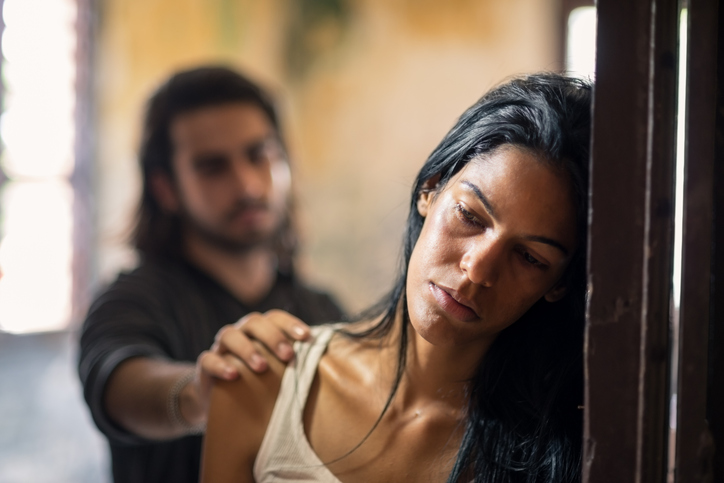
Hot nights, in particular, can disrupt sleep, thereby fueling irritability, weakening self-control, and sparking more conflict
Heat is usually seen as a threat to physical health. But it also carries a hidden risk: it can make women less safe. Gender-based violence harms wellbeing, limits economic independence, and restricts access to work. It is therefore not just a public health issue. It is a major social and economic concern.
In a recent study, we ask a simple question: does hotter weather increase violence against women? While most existing research focuses on developing countries, we study Italy, a high-income country with strong legal protections, a national helpline, and well-established support services. Yet violence against women remains a serious and persistent problem.
To answer this question, we combined weekly data from Italian provinces between 2013 and 2022 with detailed weather records. We looked at calls to the national anti-violence helpline (“1522”) and at femicides. By comparing unusually hot weeks with typical weeks in the same place and season, we can isolate the short-term impact of temperature from broader trends.
The results are striking. Hotter weeks are associated with more violence. When average weekly maximum temperatures exceed 28°C, calls to the helpline increase by about 20% compared to milder weeks. Above 30°C, the number of femicides rises sharply, nearly four times higher than usual. Looking at both indicators matters: calls reflect attempts to seek help, while femicides capture the most extreme outcomes. The fact that both increase suggests a real rise in violence, not just more reporting.
One key finding is that hot nights matter more than hot days. When we take nighttime temperatures into account, the effect of daytime heat becomes much smaller. In contrast, warm nights remain strongly linked to both more calls and more femicides. A likely explanation is that high nighttime temperatures disrupt sleep, which can increase irritability, reduce self-control, and heighten conflict.
The duration of heat also plays an important role. It is not just a few very hot days that matter, but sustained periods of high temperatures. Helpline calls respond immediately, rising within the same week. For femicides, however, the effect weakens when extreme heat continues for several weeks, possibly because people adapt or because such events are episodic.
The impact of heat also varies across places. The increase in femicides is stronger in provinces where air conditioning is more common, while the rise in helpline calls is greater in areas with lower levels of higher education. By contrast, factors such as unemployment, gender norms, or the presence of support centers do not significantly change the relationship. This suggests that local conditions shape how heat translates into risk.
The policy implications are clear. Heat-warning systems today focus mainly on physical health risks such as dehydration or heatstroke. But as climate change makes extreme heat more frequent, its social consequences cannot be ignored. Periods of high temperatures should also be seen as periods of higher risk for violence. This means that support services need to be prepared for predictable surges in demand.
In a rapidly warming world, climate adaptation strategies cannot ignore personal safety, and violence prevention policies can no longer remain climate-blind.
© Carmen Aina, Lavinia Parisi, and Matteo Picchio
Carmen Aina is Associate Professor at University of Piemonte Orientale Amedeo Avogadro, Italy
Lavinia Parisi is Associate Professor at University of Salerno, Italy
Matteo Picchio is Professor at Marche Polytechnic University, Italy
Please note:
We recognize that World of Labour articles may prompt discussion and possibly controversy. Opinion pieces, such as the one above, capture ideas and debates concisely, and anchor them with real-world examples. Opinions stated here do not necessarily reflect those of the LISER.
Related World of Labour content:
https://wol.iza.org/articles/incentivizing-sleep by Joan Costa-Font
https://wol.iza.org/articles/does-hot-weather-affect-human-fertility by Alan Barreca
https://wol.iza.org/articles/climate-change-and-the-allocation-of-time by Marie Connolly
https://wol.iza.org/articles/temperature-productivity-and-income by Olivier Deschenes
Photo by diego_cervo on iStock