
Elevator pitch
The Portuguese labour market has stabilised after the 2010–2013 sovereign debt crisis, which pushed unemployment to a historic 18.5%. By 2025, the rate of unemployment has exhibited low-record levels reaching 5.9%. Long-term unemployment has declined, and the female employment rate reached historical values. Yet, several structural imbalances persist. Productivity levels remain low compared to European peers, and wages continue to struggle to keep pace with the cost of living.
Key findings
Strengths
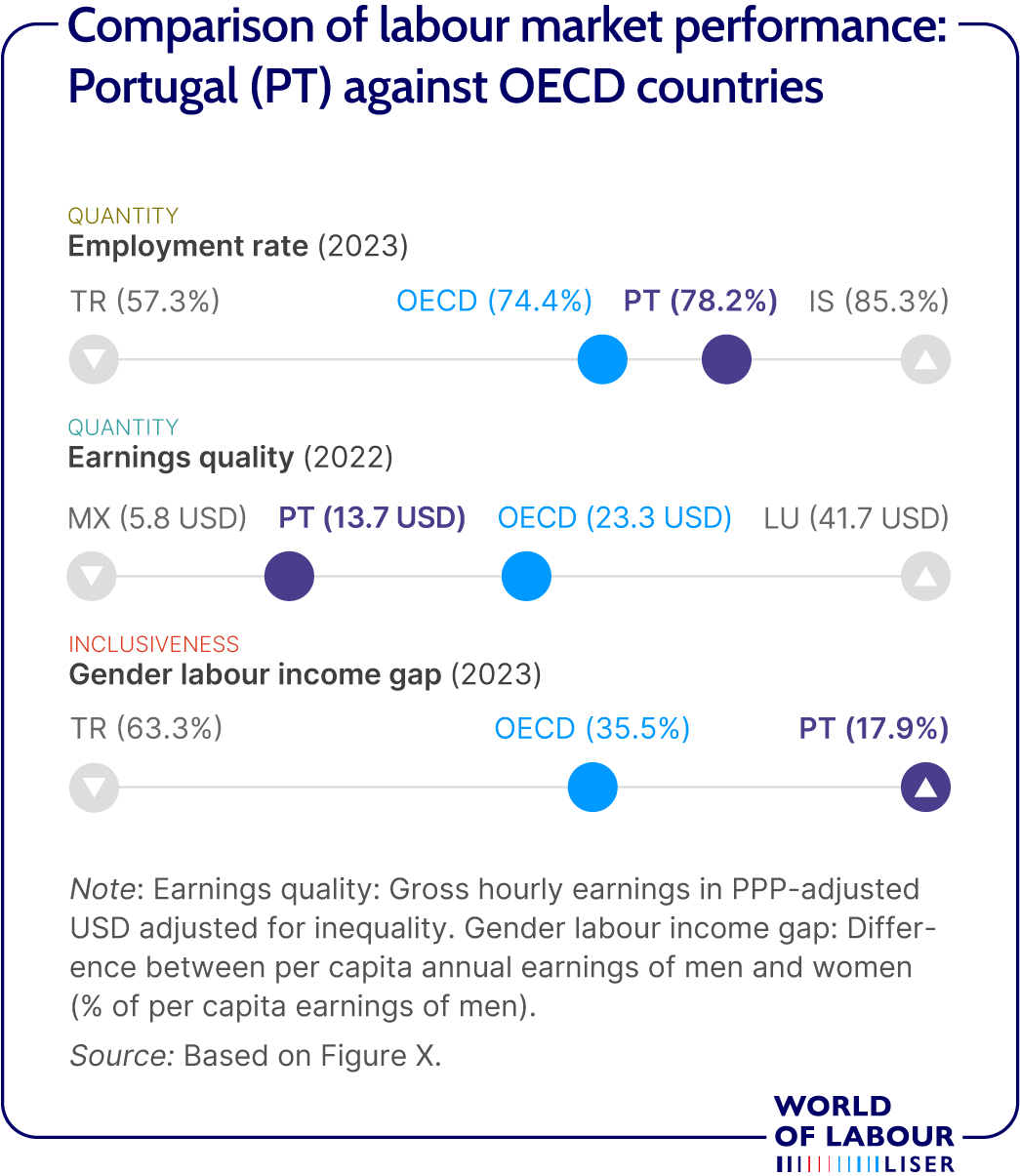
Employment reached record levels by 2024, with the gender employment gap decreasing by 11.2 percentage points since 2000.
Unemployment has consistently declined after the debt crisis, reaching a record level in the second quarter of 2025.
Long-term unemployment has dropped.
The percentage of the employed aged 25-34 with a tertiary degree more than tripled since 2000.
The unadjusted gender wage gap has been decreasing since 2016, placing Portugal among the top 10 best performers in the EU-27.
Weaknesses
Productivity has stagnated for over two decades, failing to converge with the EU-27 average.
Even though real wages have increased since the debt crisis with minimum wages representing about two-thirds of median wages, Portugal stands as a low-wage country within the EU.
Labour market segmentation persists, with employment instability lasting up to the age of 35.
Youth unemployment remains high.
The percentage of employers with lower secondary education or less remains too high, which places Portugal as the bottom EU performer.
Author's main message
Over the past 20 years, the Portuguese labour market has undergone significant changes driven by crises, globalization, demographics, and technological progress. Aging and low birth rates threaten the long-term sustainability of the welfare system, requiring policies to attract and retain the professionals the economy needs. The transition to a green, digital economy continues to demand substantial investments in education (including vocational training) and lifelong learning. In addition, structural reforms that foster innovative, export-oriented firms are crucial for generating high-quality, well-paid jobs.
Motivation
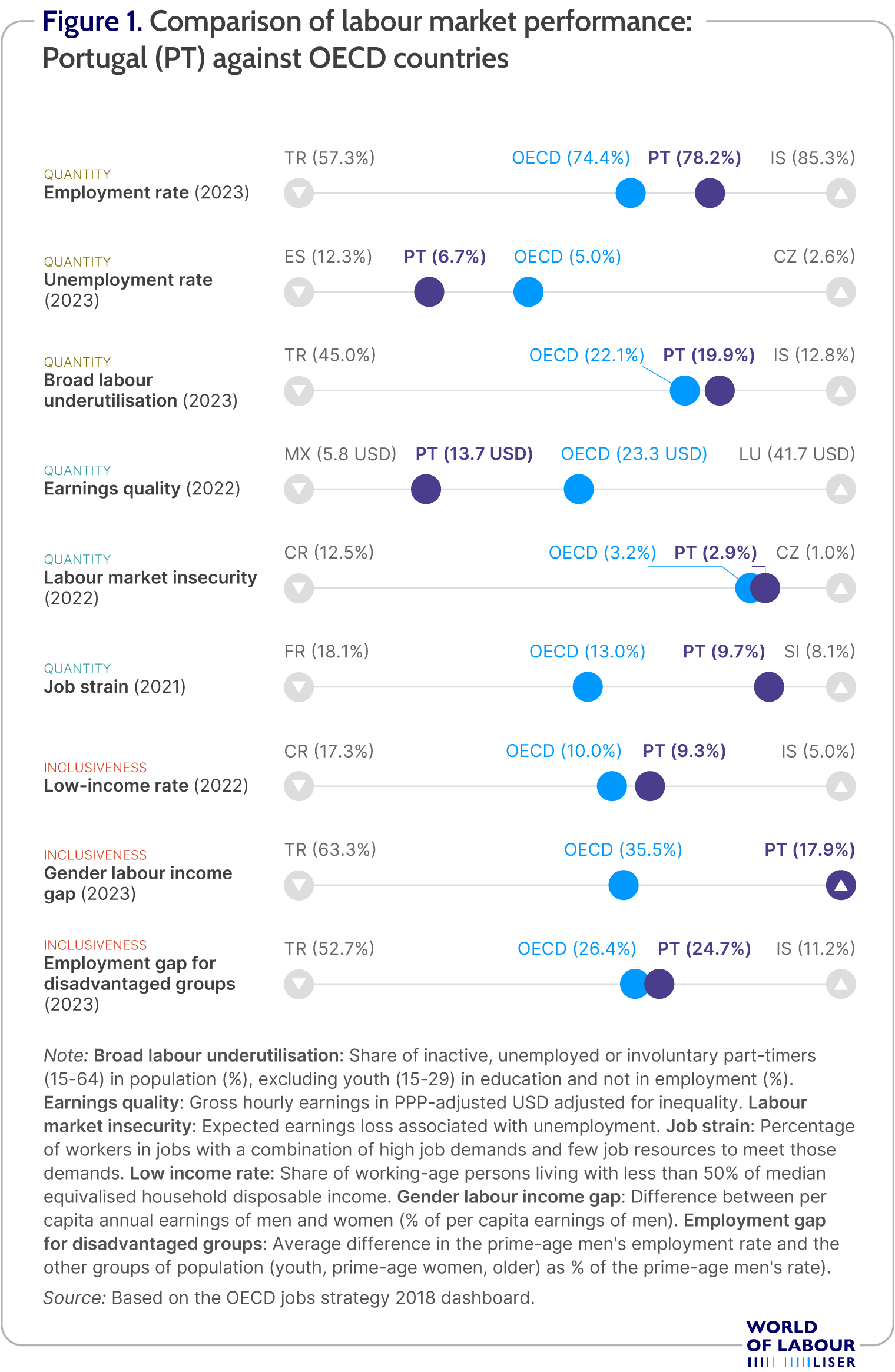
Following the 2008-2009 crisis, Portugal was hit by the most long-lasting recession since 1980—the 2010-2013 sovereign debt crisis—leading to a rescue plan agreed between the Portuguese Government and the Troika, composed by the EU, the European Central Bank (ECB), and the International Monetary Fund (IMF) [1]. Labour market reforms were central to the Troika memorandum. Key measures included a reform of the unemployment insurance system to reduce long-term unemployment: benefits’ maximum duration fell from 30 to 18 months, and the contributory period dropped from 15 to 12 months. Portugal also revised the definition of fair dismissal and took steps to reduce dismissal costs, aligning severance pay for permanent and fixed-term contracts. These changes improved flexibility: the OECD Employment Protection index for individual dismissals fell from 4.4 in 2009 to 3.1 in 2019. However, they failed to resolve weak productivity growth and slow EU convergence. Structural reforms remain vital to boost aggregate productivity and per capita income growth [2].
Discussion of strengths and weaknesses
Employment and unemployment dynamics
Figure 2 presents the evolution of the total unemployment rate, youth unemployment rate, and the percentage of long-term unemployed (unemployment lasting 12 or more months). After a peak of 18.5% in the first quarter of 2013, the unemployment rate exhibited a sustained declining, only interrupted in the third quarter of 2020 due to the Covid-19 crisis, reaching 5.9% in the second quarter of 2025. The young (aged between 16 and 24 years old) are the most affected by unemployment with rates around 20-25% since 2018.
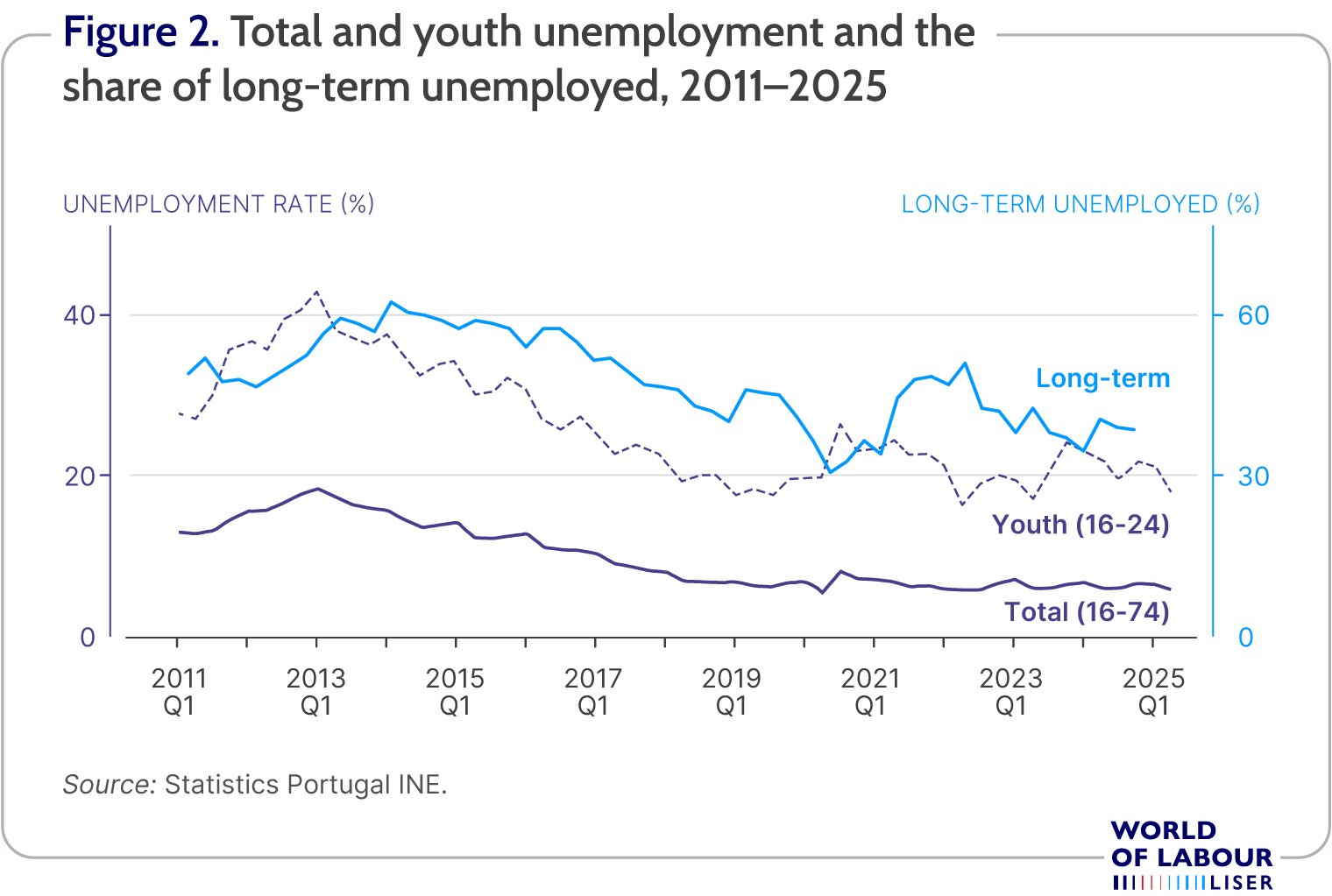
Regarding the duration of the unemployment phenomenon, the percentage of long-term unemployed seems to have stabilized around 40% in recent years, a value well below the pre-crisis figures. Furthermore, average duration of unemployment benefits of social security decreased from an average of 210 days in 2004 to 170 days in 2024. Even though these indicators suggest that the Troika unemployment insurance reform helped shorten unemployment spells and reduce long-term unemployment, the long-term unemployment rate in Portugal remains above the EU-27 average. In any case, unemployment duration remains an ongoing concern, with public policies currently focusing on up-skilling and reskilling in areas such as technology and renewable energies.
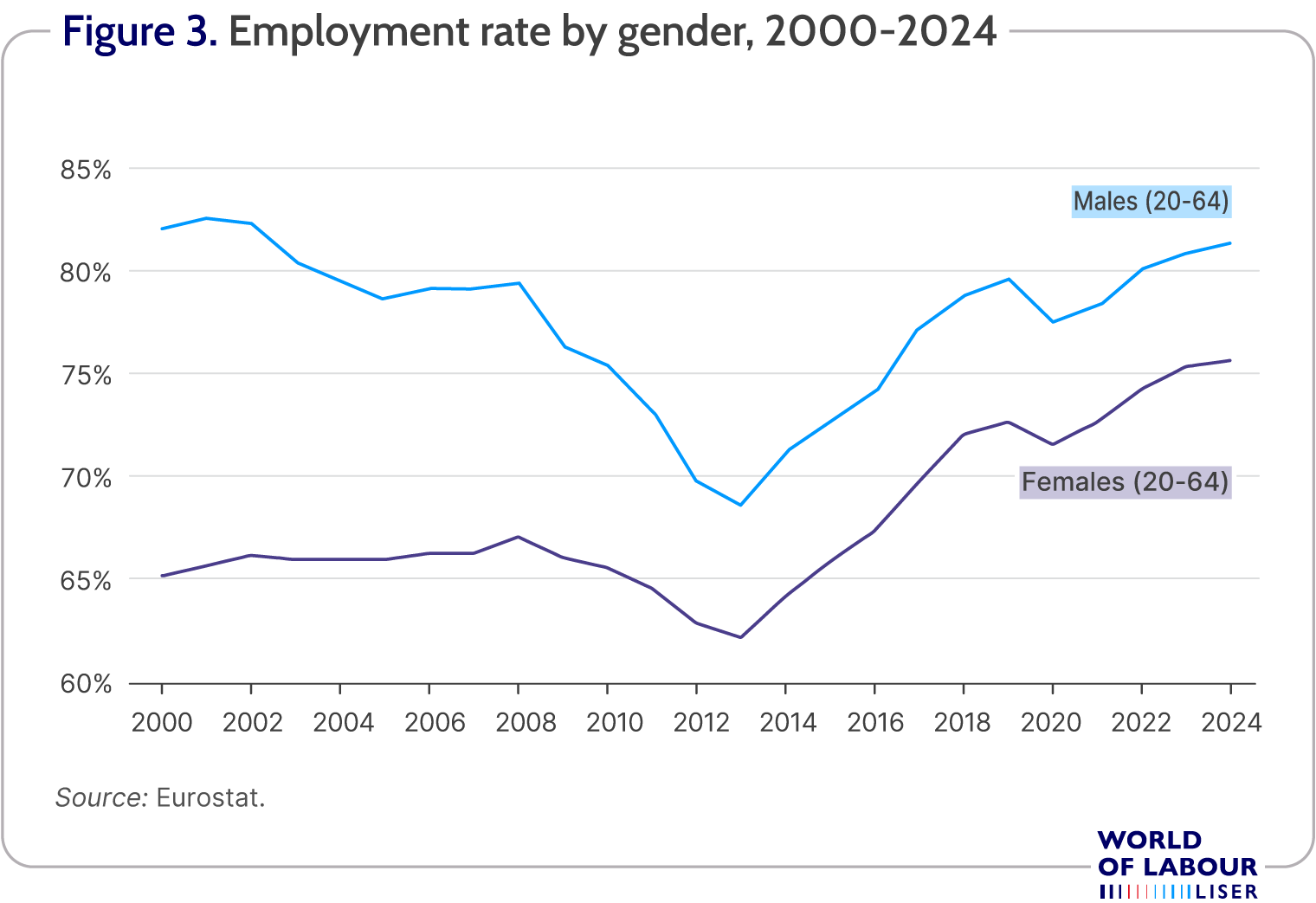
Over the first decade of the 21st century, the male employment rate exhibited a substantial decline reaching a low-record level in 2013 (see Figure 3). As the female employment rate remained stable during the period leading up to the 2008–2009 crisis, this helped narrow the gender employment gap—between 2000 and 2013 the employment gender gap decreased from 17 to 6.4 percentage points, remaining stable afterwards. Since then, the employment rate has risen substantially for both males and females (the only exception being the 2020 year due to the pandemic), reaching record levels of 81.4% for males and 75.7% for females by 2024.
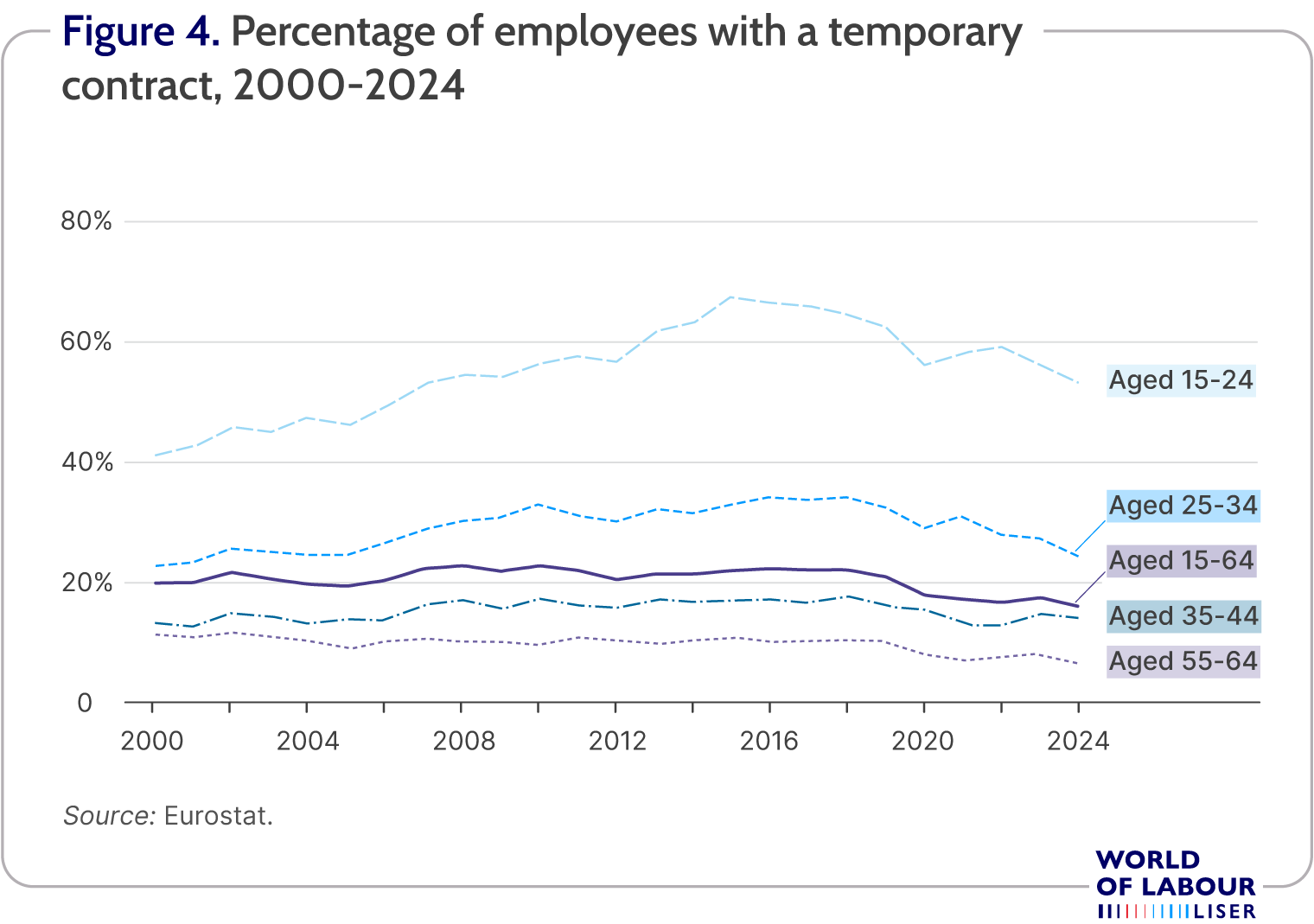
The share of workers with fixed-term contracts remains quite high among individuals aged 15–24 (53.3% in 2024; the 5th highest in the EU-27) and, to a lesser extent, among those aged 25–34 (24.3%; the 2nd highest in the EU-27) – see Figure 4. This employment instability, coupled with the rising prices in the housing market (between 2015 and 2023 nominal annual wages increased by 39.4%, while housing prices increased by 105.8%), has exacerbated the difficulties faced by younger generations in leaving their parents’ households and establishing their own families. These difficulties cannot be ignored, as in 2023, Portugal was the second country in the EU-27 with the highest proportion of elderly people (24.1%), surpassed only by Italy (24.3%), both above the EU average of 21.6%. Conversely, Portugal had the third lowest proportion of young people (12.8%), immediately after Italy (12.2%) and Malta (12.3%), with figures below the European average (14.6%). In 2023, Portugal ranked as the second most aged country in the EU-27, with an age ratio of 188.1 elderly persons per 100 young persons.
The employment dynamics in the last two decades were also shaped by migration flows. Figure 5 shows an intensification of the inflow of migrants since 2012, with net migration becoming positive since 2019. The stock of immigrants holding a valid residence permit has more than doubled in the last 15 years, reaching approximately 1 million people in 2023—equivalent to 10% of the Portuguese population—compared to 440,000 individuals in 2008. The entry of foreign workers has helped mitigate hiring difficulties in sectors such as agriculture and fishing, construction, accommodation and food services, and administrative activities [3].
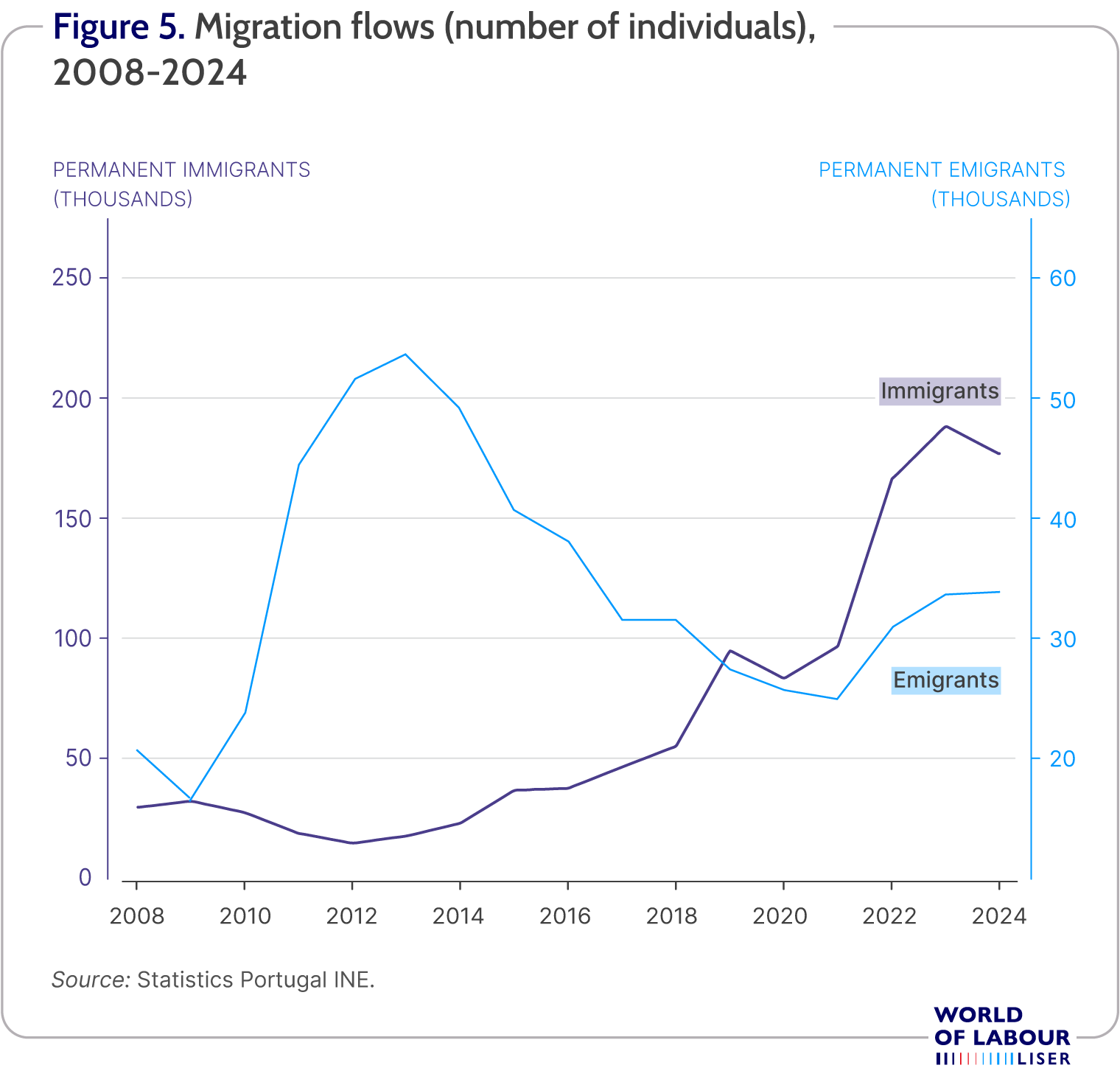
Following a period of declining emigration flows in the aftermath of the 2010–2013 crisis, the post-pandemic period seems to reveal a renewed upward trend in emigration. More than half of these emigrants are between 20 and 34 years of age. This outward migration raises concerns, as it entails the emigration of highly skilled young professionals, which in turn erodes human capital and undermines the social returns generated by public investment in education.
Human capital accumulation
Over the past two decades, Portugal has made substantial progress in improving the educational attainment of its labour force. This advancement, driven by the extension of compulsory schooling and the expansion of access to higher education, has contributed to mitigating persistent skill and qualification deficits and has led to a significant increase in the proportion of graduate workers.
According to the Directorate-General for Education and Science Statistics (DGEEC), the number of graduates in Portuguese institutions of higher education increased from 61,140 in the academic year of 2000/2001 to 101,213 in the academic year of 2023/2024—a cumulative growth rate of 66%. This increase is particularly remarkable for the second cycle studies of higher education due to the Bologna process that shortened the duration of the first cycle for several fields of study, leading to a substantial increase in the supply of master courses (2,207 graduates in 2000/2001 against 33,415 graduates in 2023/2024). This increase in the supply of university graduates has been accompanied by a reduction in the returns to tertiary education since the early 2000s [4].
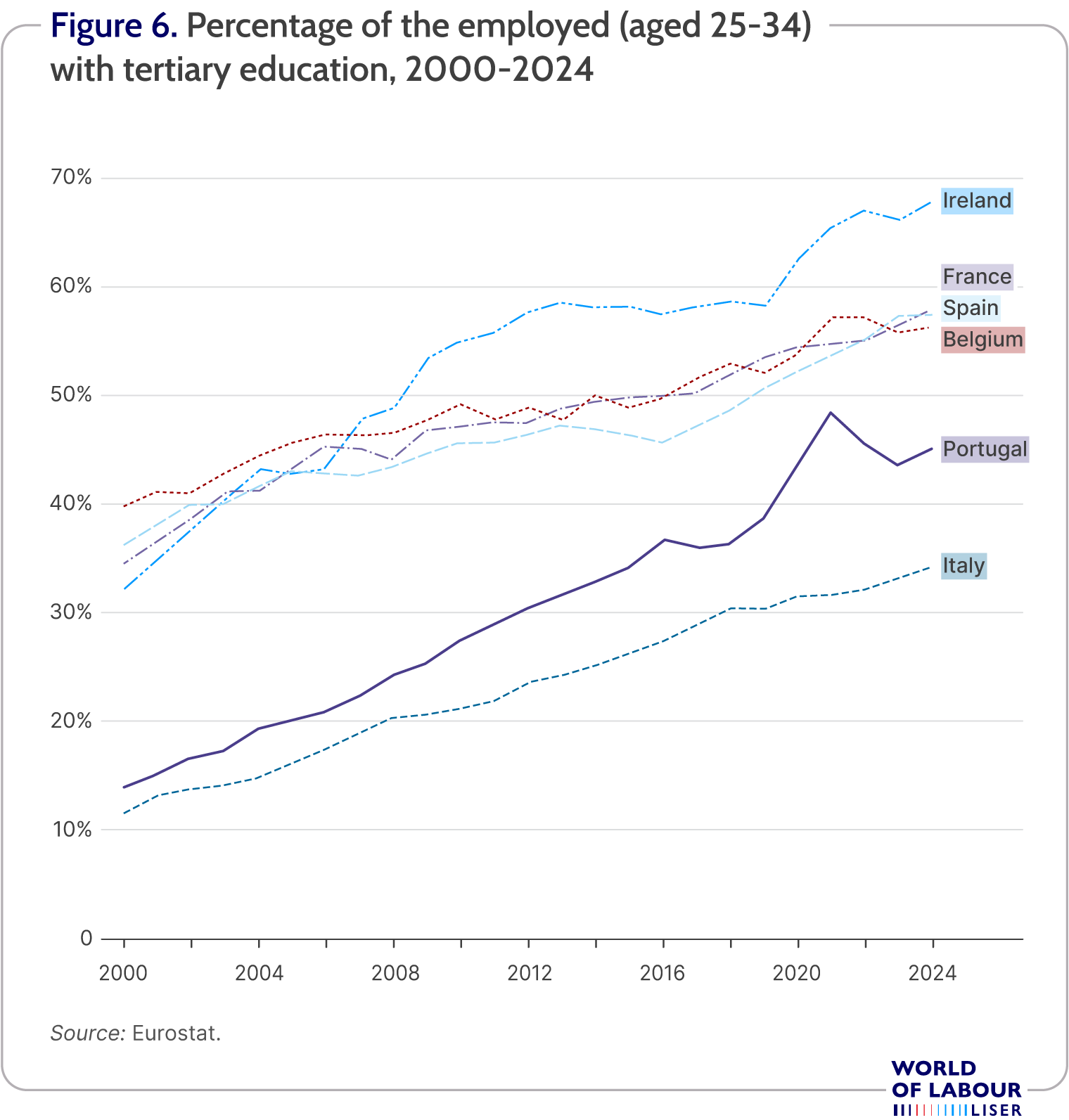
As shown in Figure 6, the percentage of employed individuals aged 25–34 with a tertiary degree increased from 14.1% in 2000 to 45.1% in 2024. This substantial rise has not only contributed to align Portugal’s performance with that of other European countries such as Spain, Belgium, and France, but has also enabled it to surpass countries like Italy.
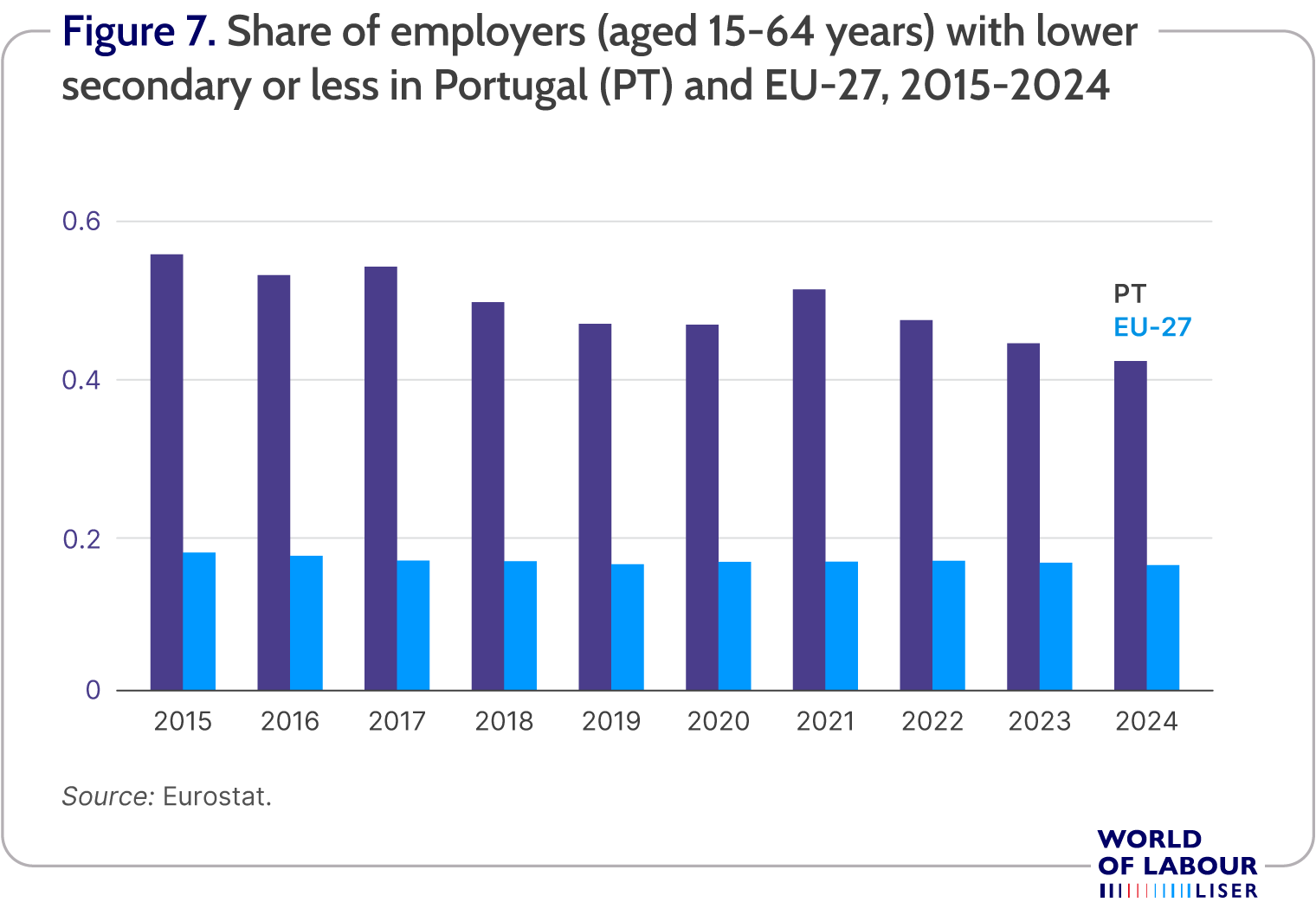
Despite these improvements, Portugal still exhibits qualification deficits. According to the recent OECD Survey of Adult Skills conducted in 2022/23, adults in Portugal score below the OECD average in all domains—literacy, numeracy, and problem-solving—revealing persistent gaps, especially among older and less educated groups [5]. Regional differences are minor, but urban areas perform slightly better. In what regards managerial quality, Portugal continues to rank below all the EU countries. Figure 6 shows that the percentage of employers (self-employed persons with employees) with less than primary, primary, and lower secondary education is more than the double of the EU-27 average, reaching 42.2% in 2024 (against 16.1% in EU-27). A positive correlation between managers’ education and management practices scores is well documented in the literature (e.g., [6]). The low level of formal education among Portuguese managers undermines the quality of management practices and hinders firms’ productivity growth.
Productivity and Earnings
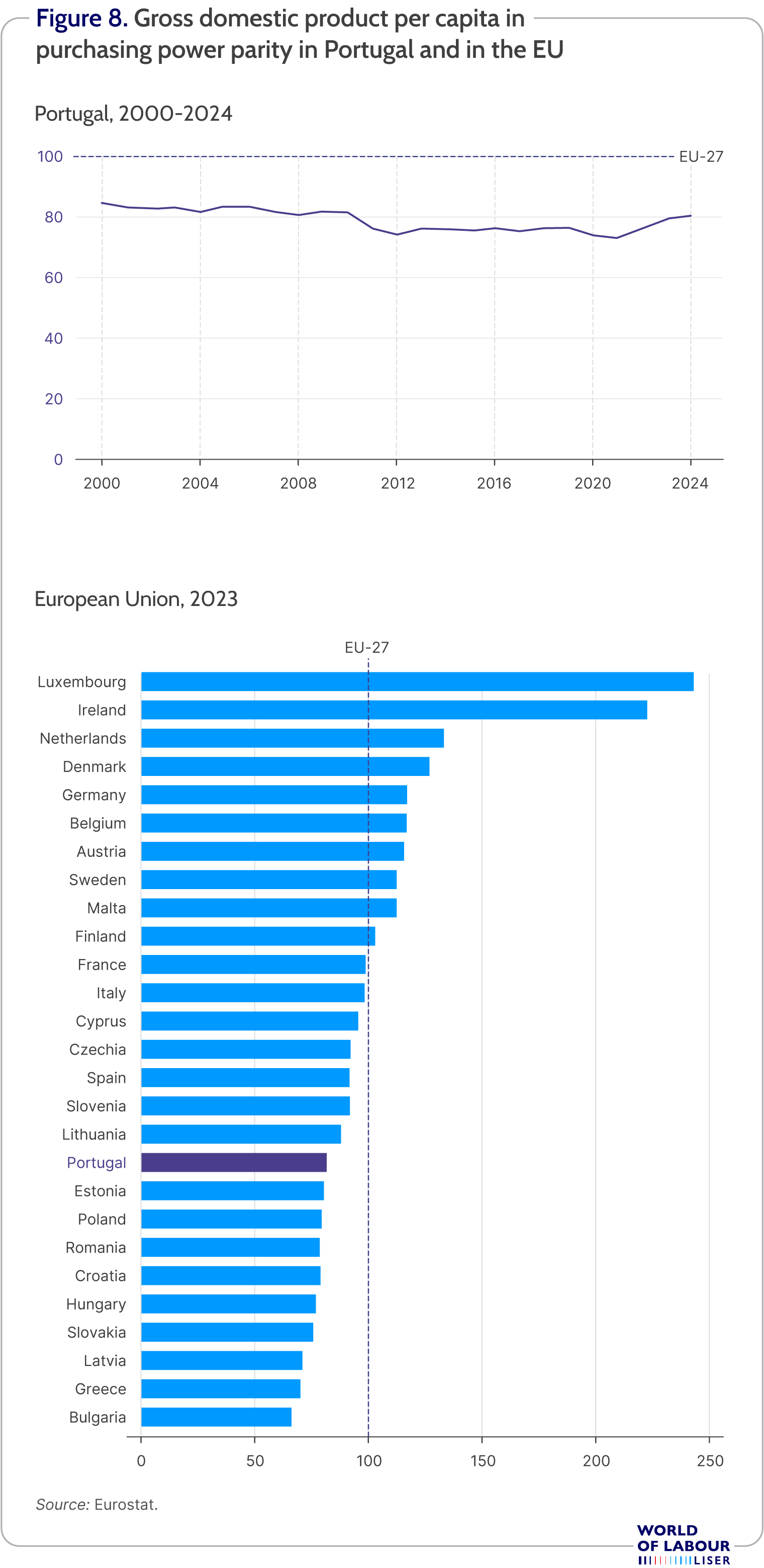
Portugal has experienced a long-lasting period of stagnation in labour productivity since the mid-1990s. As illustrated in Figure 8, the country’s gross domestic product (GDP) per capita—measured in purchasing power parity (PPP) relative to the EU average—has consistently remained below the EU-27 benchmark. In 2023, Portugal ranked 18th among EU member states, with an index value of 81. This position places it ahead of only Estonia, Poland, Romania, Croatia, Hungary, Slovakia, Latvia, Greece, and Bulgaria.
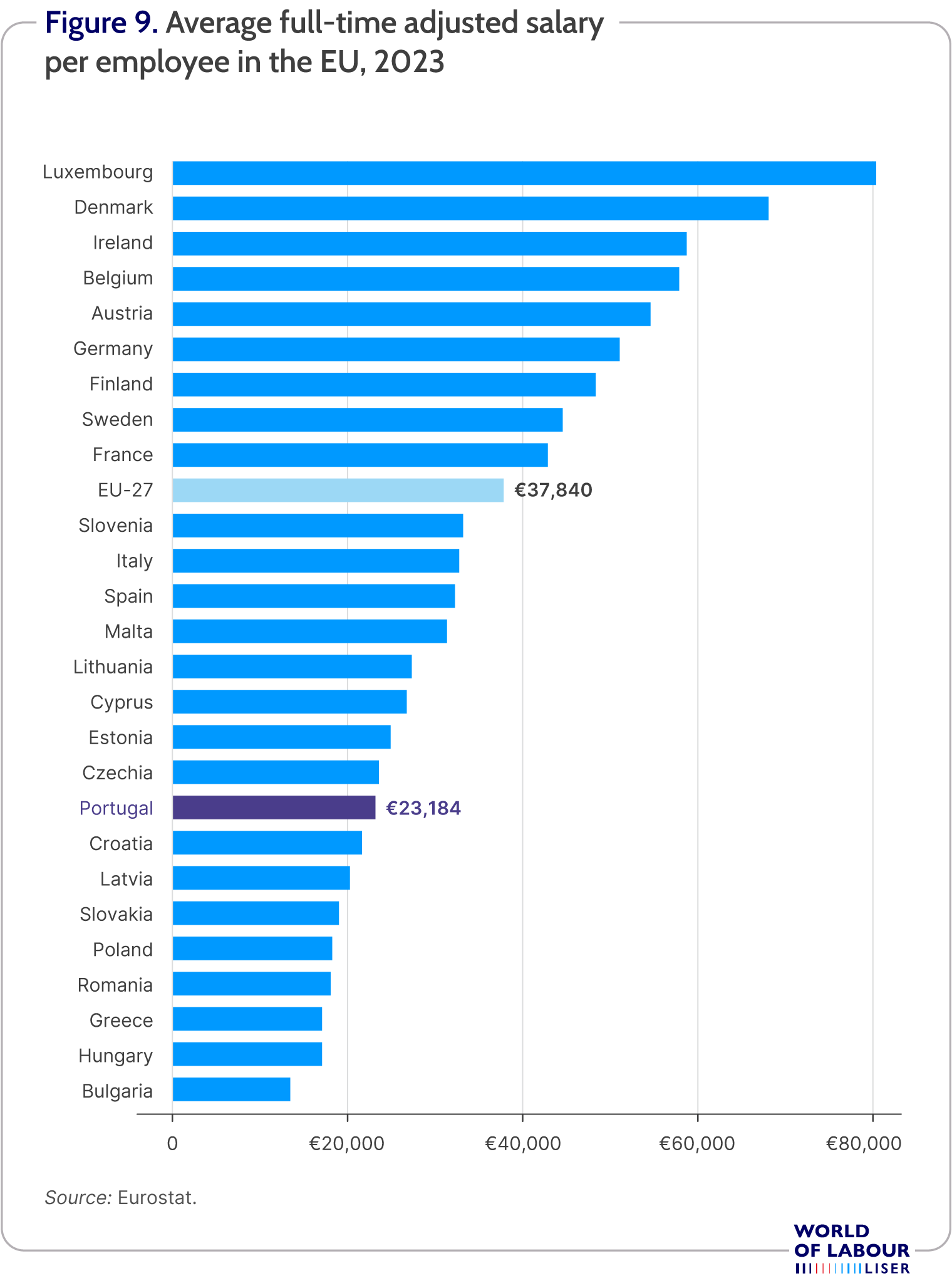
This stagnation is reflected in wages, positioning Portugal as a low-wage economy compared to its EU counterparts. According to Figure 9, in 2023 Portugal ranked 18th in terms of average full-time adjusted salary per employee (€23,184), ahead only of Croatia, Latvia, Slovakia, Poland, Romania, Greece, Hungary, and Bulgaria. At the top end, Luxembourg (€80,243), Denmark (€67,940), and Ireland (€58,586) led the rankings.
After a period of wage stagnation during the great recession including the freezing of national minimum wage between 2011-2014, real wages in Portugal recover the pre-crisis values by 2019 (Figure 10). Shaped not only by labour market conditions but also by political considerations, serving as a mechanism to raise low wages, in recent years minimum wage increases have been higher than the inflation rate and productivity growth [7].
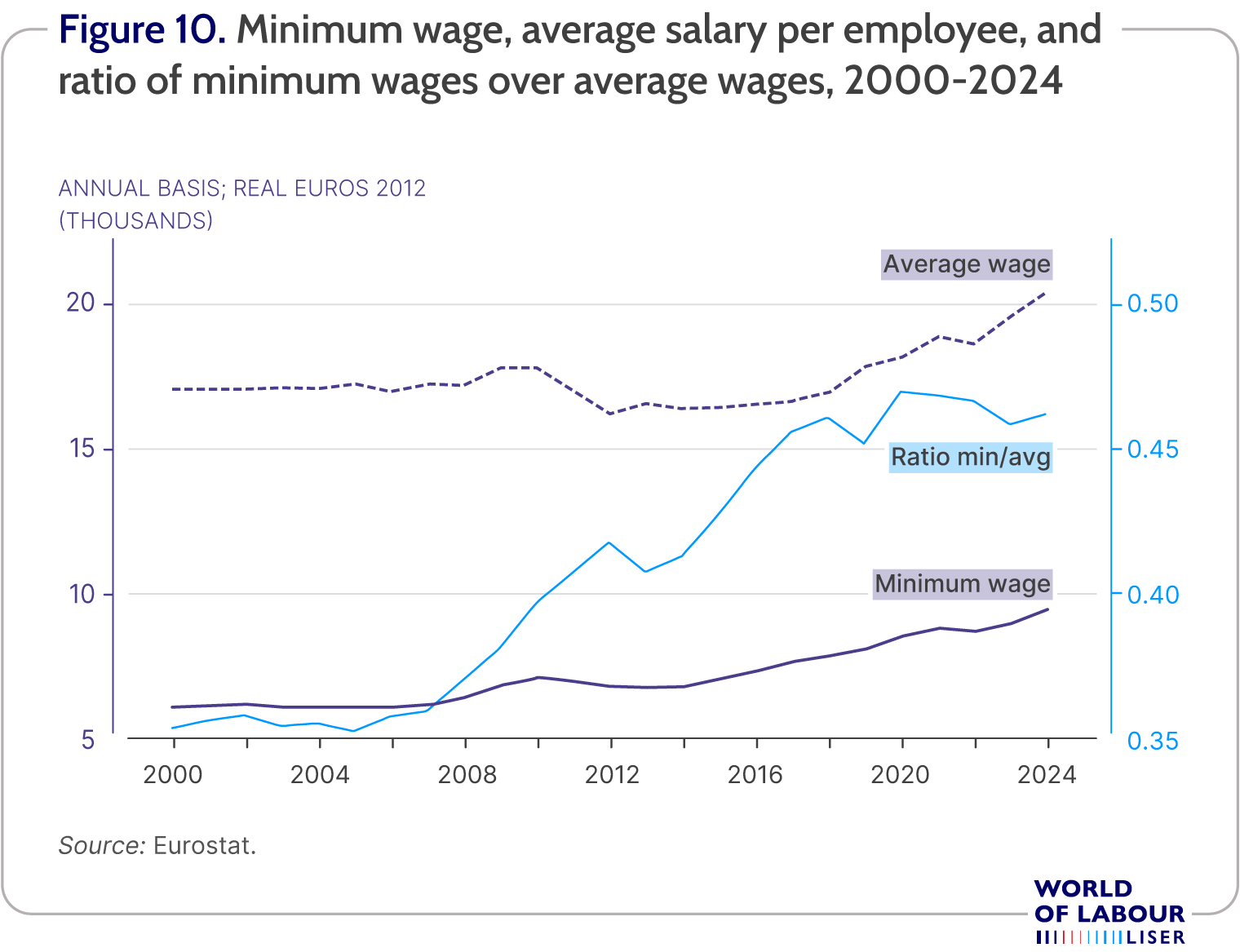
This upward trend in Portugal’s minimum wage has led to a growing share of minimum wage earners within the national wage structure, accounting in 2022 for about one-fourth of private-sector employment. In certain sectors, the minimum wage has even become the de facto reference pay level for firms. In addition, it has contributed to a gradual convergence between minimum and average wages, as shown in Figure 10, and to a significant reduction in wage inequality, particularly among the lowest-paid workers. According to Eurostat data, Portugal ranked among the top three European countries in 2022—alongside France and Slovenia—where the minimum wage exceeded 60% of median gross earnings for full-time and part-time workers.
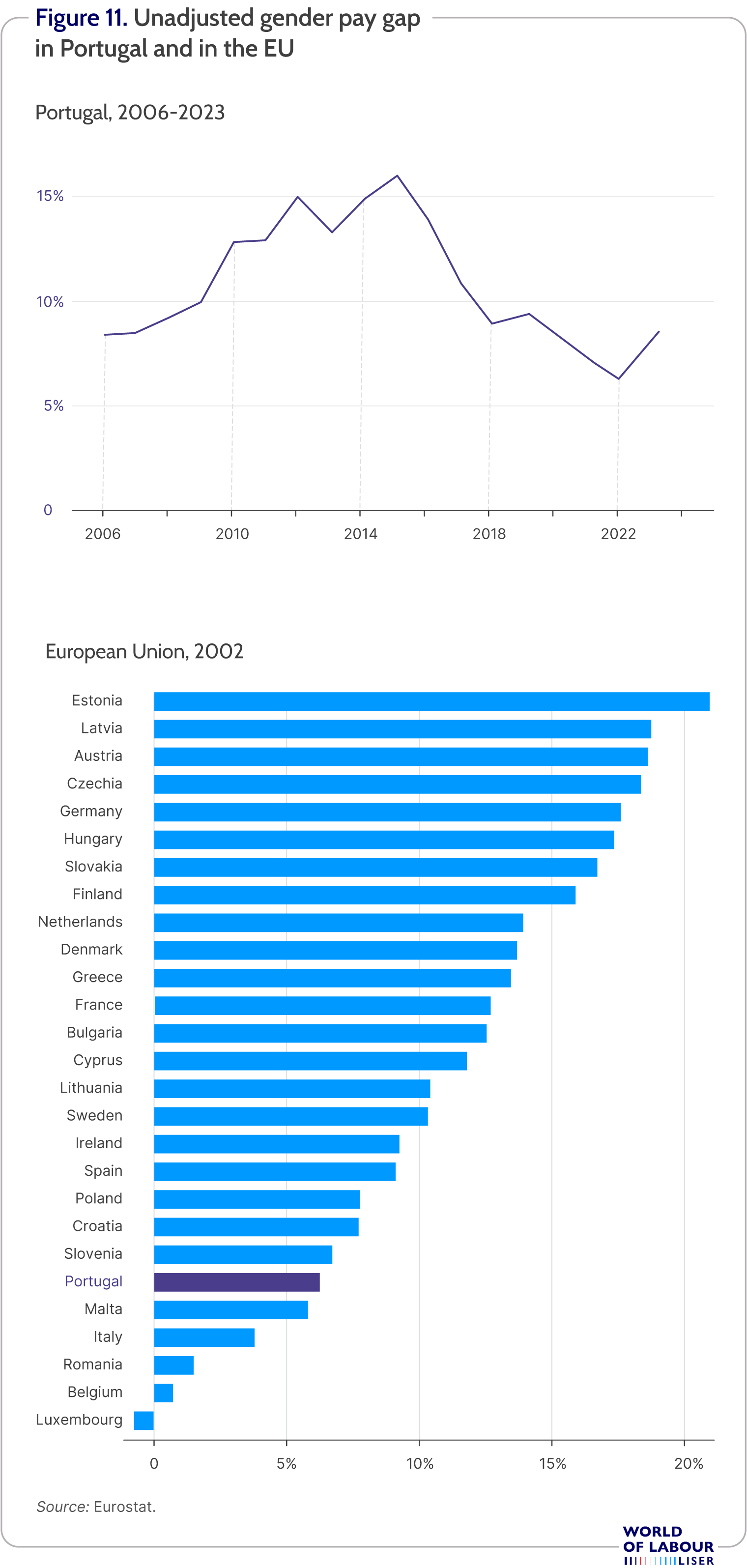
Finally, Figure 11 shows a decrease in the unadjusted gender wage gap since 2016, which has allowed Portugal to perform well in recent years, ranking among the EU countries with the lowest unadjusted gender wage gap (6.3% in 2022). This performance may be partly explained by the substantial rise in women’s educational attainment over the past two decades, compared to men. In 2000, the percentage of employed men with tertiary education was 10.5%, while the corresponding percentage for employed women was 18.3%. By 2024, these figures had risen to 36.1% and 54.6%, respectively. As documented in [8], the estimated unexplained gender wage gap in Portugal was 13% in 2018, exceeding the EU-27 average of 11.25%. This contrasts with the unadjusted gender wage gap of 8.9% reported for the same year.
Limitations and gaps
Several indicators presented in this article cover an extended time span, which requires careful interpretation of the results, particularly due to changes in data collection or calculation methods, as well as the resulting disruption in the time series.
Summary and policy advice
In the first decade of the century, Portugal experienced modest growth, but the global financial crisis of 2008 hit the economy hard, pushing unemployment upward and exposing structural weaknesses. The situation worsened with the sovereign debt crisis and austerity measures in the early 2010s. By 2013, unemployment had reached record levels–18.1% in the first quarter–and many young workers, including highly qualified professionals, emigrated in search of better opportunities abroad.
The second half of the 2010s brought a period of recovery. Economic growth, boosted by tourism, renewable energy, and the digital economy, helped reduce unemployment to historically low levels. At the same time, despite the progress made in reducing labour market segmentation, precarious employment remains widespread, with many young workers still engaged under temporary contracts. To aggravate the situation of younger generations, wages continued to lag the EU average, leaving Portugal with one of the lowest wage levels in Western Europe. While the national minimum wage more than doubled since 2000, median wages increased at a much slower pace, with the former amounting to about two-thirds of the latter in recent years.
Looking ahead, Portugal faces several pressing challenges. An aging population and declining birth rates are placing increasing pressure on the long-term sustainability of the welfare system and exacerbating skills shortages. In this context, public policies aimed at retaining and attracting young, skilled professionals are essential. Recently, Portugal has implemented a set of legislative and policy measures aimed at retaining young, qualified individuals within the country. One of the most significant fiscal instruments is the reform of the IRS Jovem. This measure offers a progressive income tax exemption for individuals up to 35 years old, applicable over a ten-year period, regardless of academic qualifications. It aims to increase net income and incentivize professional establishment of young people in Portugal. Complementing fiscal incentives, the government launched the “Tens Futuro em Portugal” plan, which encompasses 14 measures targeted at young individuals. These include, among others, exemptions from property taxes (IMT and Imposto de Selo) for first-time homebuyers under 35. Future research is needed to assess the extent to which these initiatives have been effective in retaining and attracting younger individuals in the Portuguese labour market.
The transition to a digital economy requires significant investment in education and training to prevent further mismatches between the supply and demand of labour. This need is particularly relevant, as Portugal is ranked among the countries with a high routinization index [9], which calls for active employment policies that promote up-skilling and reskilling to facilitate the reallocation of workers across sectors.
Finally, structural reforms are essential to reduce Portugal’s dependence on tourism and to foster the development of higher value-added enterprises capable of competing in the global market. As thoroughly discussed in [10], this shift requires a paradigm change from an economy primarily focused on low production costs—“Made in Portugal”—to one that emphasizes innovation, design, and knowledge-based activities—“Created in Portugal”. This transition is a crucial step to lift Portugal out of the low-wage trap by moving up the value chain and prioritizing creativity, technology, and intellectual property rather than competing mainly on price.
Acknowledgments
The author thanks an anonymous referee and the World of Labour editors for helpful suggestions on earlier draft.
Competing interests
The World of Labour project is committed to the European Code of Conduct in Research Integrity. The author declares to have observed the principles outlined in the code.
© Anabela Carneiro


