
Elevator pitch
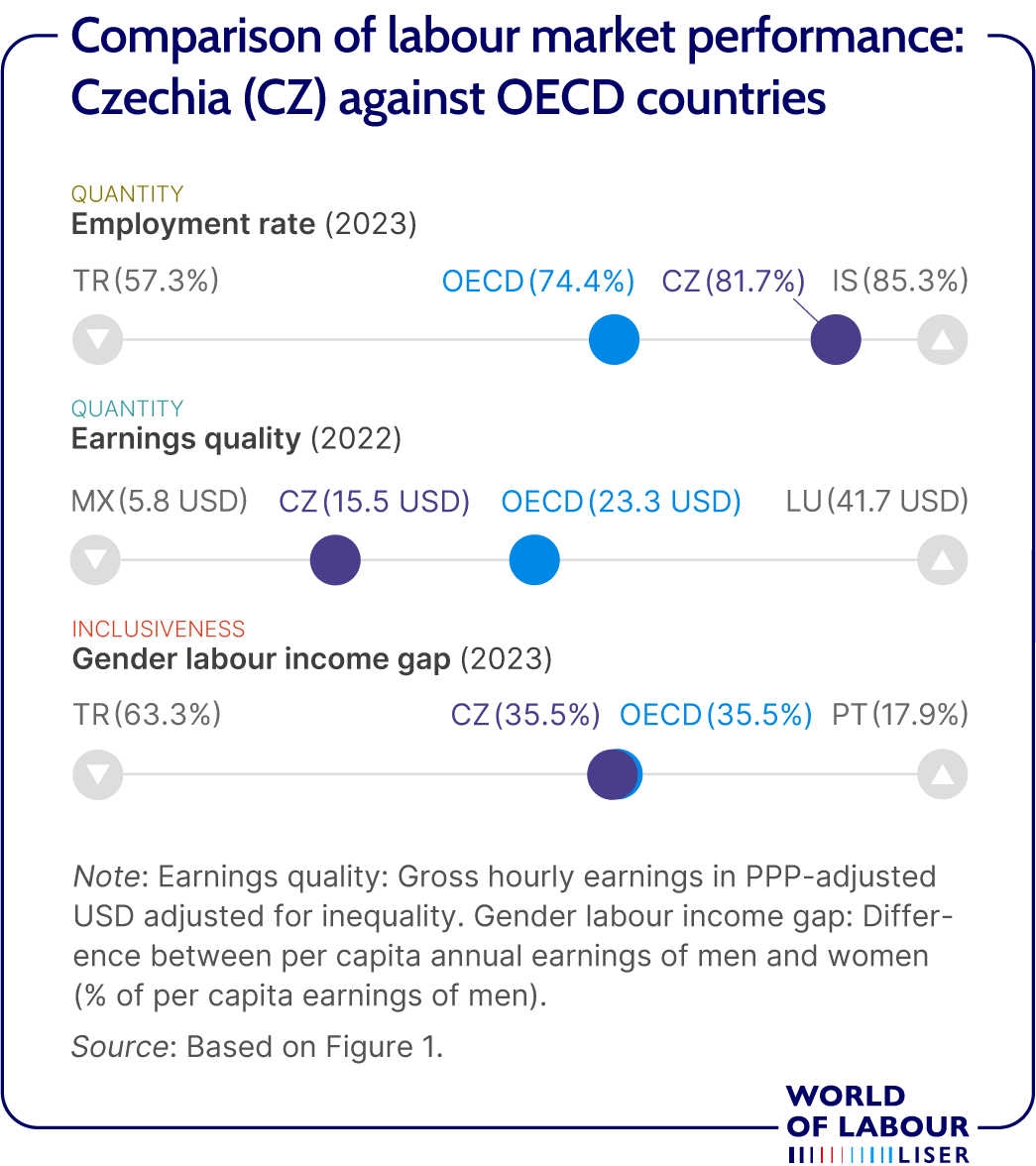
Czechia’s labour market has undergone a remarkable transformation over the past two decades. Unemployment has fallen sharply, while employment has steadily increased and continues to be among the highest levels across OECD countries. At the same time, rising real wages have not fully closed the gap with the OECD average, and the minimum wage remains relatively low compared to other countries. Gender gaps in employment and unemployment have narrowed, yet a substantial gender pay gap remains, highlighting persistent inequalities in the labour market.
Key findings
Strengths
Unemployment declined across all demographic groups between 2000 and 2025.
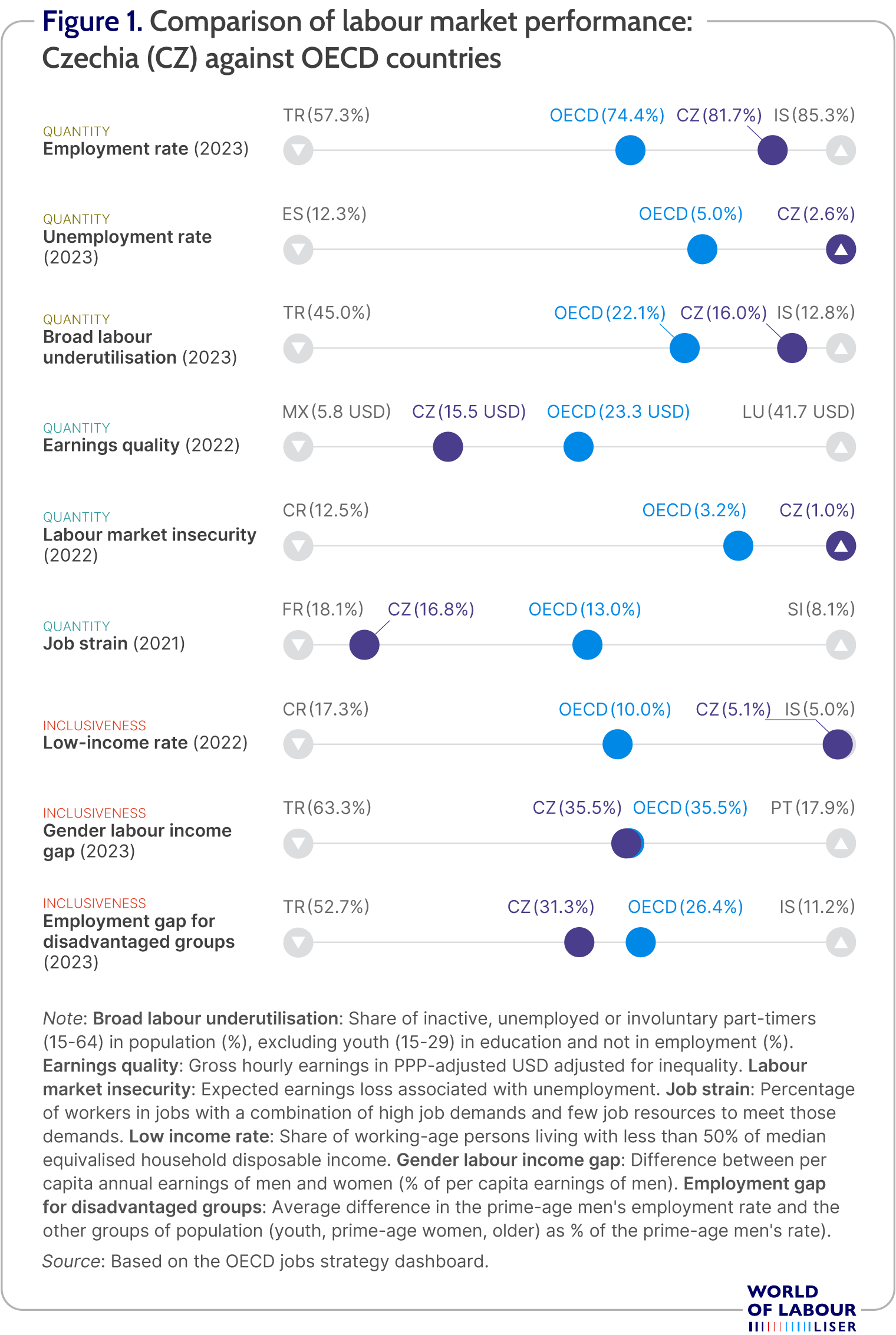
The unemployment rate is among the lowest and the employment rate ranks among the highest in the OECD.
Gender unemployment and employment gaps have declined over the past two decades.
Czech earnings inequality is moderate by regional standards and has remained broadly stable.
Weaknesses
The employment rate among mothers with young children remains substantially lower than in the rest of EU.
The gender pay gap of 18.5% is almost twice as large as the average gap in the EU.
Despite the real wage increase by 50% between 2000 and 2025, the wage level continues to be well below the OECD average.
The use of active labour market policies and the scale of retraining programmes for the unemployed remain limited.
The Czech labour market is among the least dynamic in the EU in terms of job-to-job mobility.
Author's main message
The Czech labour market performs well according to most of the aggregate indicators. Over the past 2-3 decades, unemployment declined to one of the lowest levels in the EU, while already high employment increased further. However, labour market tightness partly reflects low job-to-job and geographic mobility. Other challenges that need to be addressed include low economic activity among mothers with young children and the prevalence of disguised self-employment.
Motivation
The Czech Republic is a small open economy that is closely integrated with its neighboring EU member states. The country officially joined the EU in May 2004 but has not yet adopted the Euro. The labour market is mostly affected by the EU wide business cycles, especially developments in Germany, Czechia´s largest business partner. The labour force participation of both men and women is relatively high, partly a heritage of the Communist past. Czechia is currently a country with one of the lowest unemployment rates in the EU. The aggregate indicators of very low labour underutilization, however, mask wide heterogeneity across various demographic and socio-economic groups, as well as the overall rigidity of the labour market. Several important problems persist, including the gender pay gaps, absence of mothers with young children from the labour market and the prevalence of disguised self-employment, which the policy makers should address in the future.
Discussion of strengths and weaknesses
Recent development of employment and unemployment
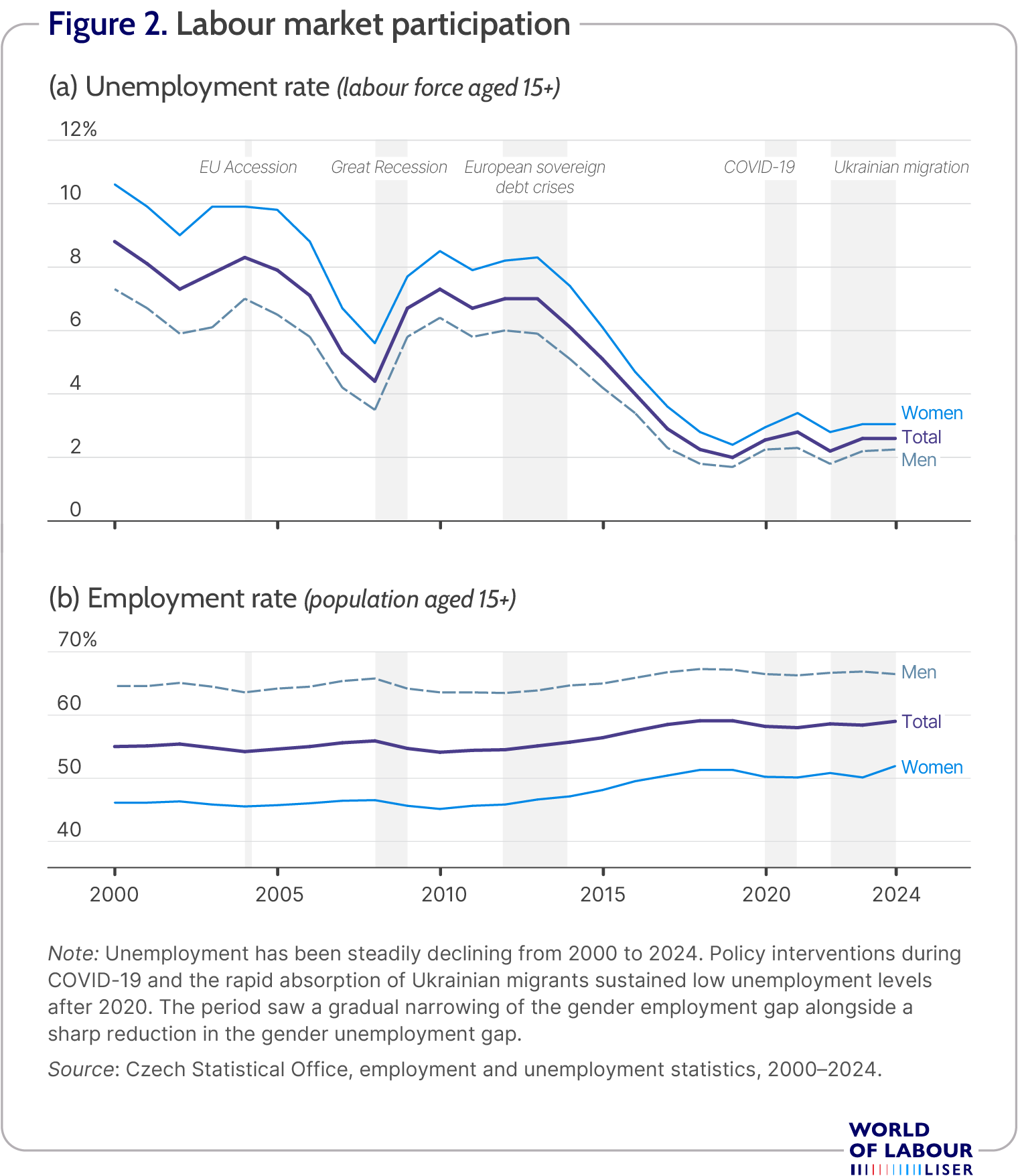
The development of the national unemployment and employment rates since 2000 is shown in Figure 2. Beginning at about 10% during the dot-com recession in the early 2000s, unemployment in the Czech Republic has followed a significant downward trend, falling to 2.6% in 2024. A slight increase in the unemployment rate after the EU accession in 2004 was followed by a constant decline until the start of the Great Recession. While Czechia imposed some of the longest lock-downs during the Covid-19 pandemic in the EU, a series of policy measures helped protect the firms and employees and kept the unemployment rate at low levels with only a minor increase. In particular, the Czech government implemented a successful short-time work scheme (the Antivirus Programme), which helped preserve more than one million jobs at greatest risk [1]. Approximately 37% of private-sector employees received wage compensation for an average of more than four months.
 The Czech labour market has seen a major inflow of workforce after the Russian full-scale invasion of Ukraine in 2022. While Ukrainians were one of the most frequent migrant workers in the Czech Republic already before the attack, the number of Ukrainian refugees that entered the country since February 2022 amounted to almost 400 thousand (about 3% of the Czech population) by the end of 2025, the third largest in the EU after Germany and Poland. According to the Ministry of Labour and Social Affairs, over 42% of the refugees were employed in 2025 with little effect on the overall unemployment rate, suggesting that the tight labour market almost fully absorbed the additional labour force.
The gradual decline in overall unemployment since 2000 has been accompanied by a decrease in the gender unemployment gap, measured as the percentage-point difference between female and male unemployment rates, which shrunk to less than a third compared to the 2000 value. In terms of employment, the gradual rise, especially in the second half of the period, has been particularly pronounced among women, which also resulted in a decrease in the gender employment gap. The difference between male and female employment rates, however, remains still fairly high in 2025, at about 9 percentage points, according to Eurostat data. The traditional gender norms, especially in terms of the division of childcare and household chores between parents continue to be quite strong in the Czech Republic. Their impact on the labour market will be discussed later in the text.
Zooming in on age and gender
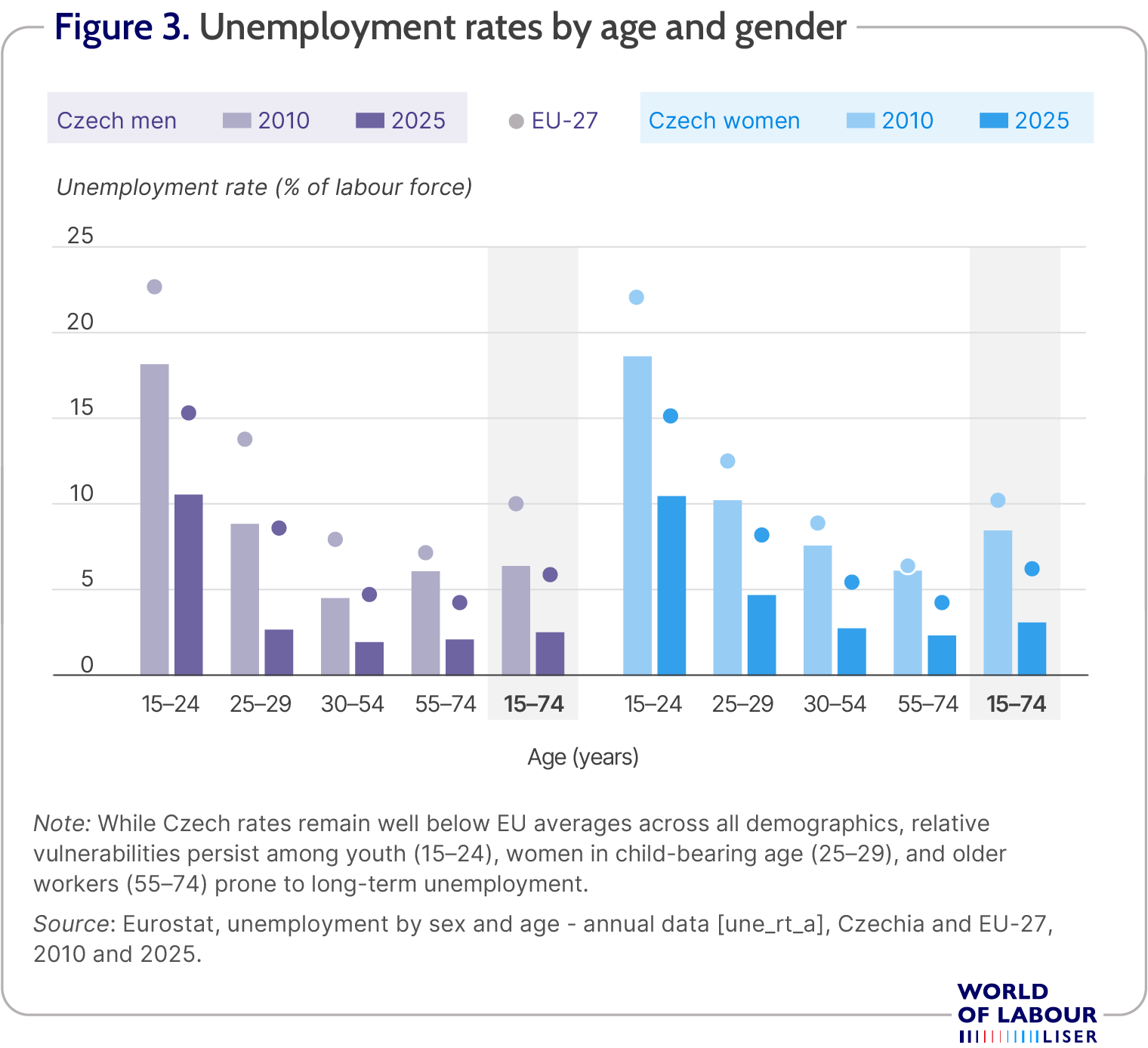
The overall unemployment and employment indicators mask substantial heterogeneity by age and gender. Figure 3 shows that the Czech unemployment rate decreased considerably across all demographic groups and was everywhere well below the EU 2025 average. However, it also reveals the most vulnerable groups in the labour market. The unemployment rate remained highest among individuals aged 15–24 throughout the period, suggesting that active labour market policies should continue to target youth unemployment. The relatively small number of unemployed young people in Czechia, however, makes it a focused policy issue rather than a large-scale labour market challenge. The unemployment rate is also notably higher among women of child-bearing age (aged 25-29) compared to the other demographic groups older than 25.
 Older workers, who tend to find jobs more slowly when unemployed, partly because of health constraints or employer stereotypes, represent another risk group in the Czech labour market. They are also more likely to be the long-term unemployed. Since the Covid-19 pandemic, the share of long-term unemployed has been growing and reached 1.8% in April 2026, the highest level since 2017 [2]. While this trend makes prolonged joblessness an increasingly relevant concern, it is still relatively low in the EU context.
Both jobseekers over 50 and the long-term unemployed are recognised target groups of active labour market policies (ALMPs). However, retraining of the unemployed has been so far mostly driven by self-selected courses and people closer to the labour market, while the more vulnerable groups remain less likely to follow these retraining paths [3].
The use of ALMPs and retraining programmes has so far been rather limited in the Czech Republic, with funding relying heavily on the EU sources [4], [5]. This is also visible in public spending of only around 0.17% of GDP on ALMPs, compared with Western European countries, such as Austria, Belgium or France, with about 0.5% of GDP in 2024 Retraining policy has, however, gained importance and the scale of retraining increased in recent years. The number of the retrained unemployed has more than tripled between 2018 and 2023 (from slightly over 5,000 to more than 16,000). Despite this increase, the overall reach of retraining programmes remains limited, with only around 2% of registered jobseekers participating. At the same time, IT courses have become more prominent and attract a relatively high share of women, suggesting that retraining may also broaden access to digital skills and help decrease gender disparities [3].
Figure 4 reveals that the rise in employment documented in Figure 2 has been mostly driven by the increase in economic activity among older individuals (aged 55-64), and, in particular, women. This development is consistent with the broader EU trend toward longer working lives, driven by increasing life expectancy, low fertility rates, and the need to ensure the sustainability of pension systems. It primarily reflects institutional reforms to retirement schemes that took place during the last decades in the Czech Republic, namely the gradual increase in the statutory retirement age. Although the retirement age for women remains lower than that for men and still depends on the number of children, convergence toward a gender-neutral statutory retirement age is being achieved through faster increases in women’s retirement age [6]. The average statutory retirement age of 60.8 years for men and 56.3 years for women with two children in 2000 has increased to 64.2 and 63.2 years, respectively, in 2025; by 2031, it is set to converge to 65.1 years for both groups. These changes account for much of the steeper rise in the female employment rate shown in Figure 2.
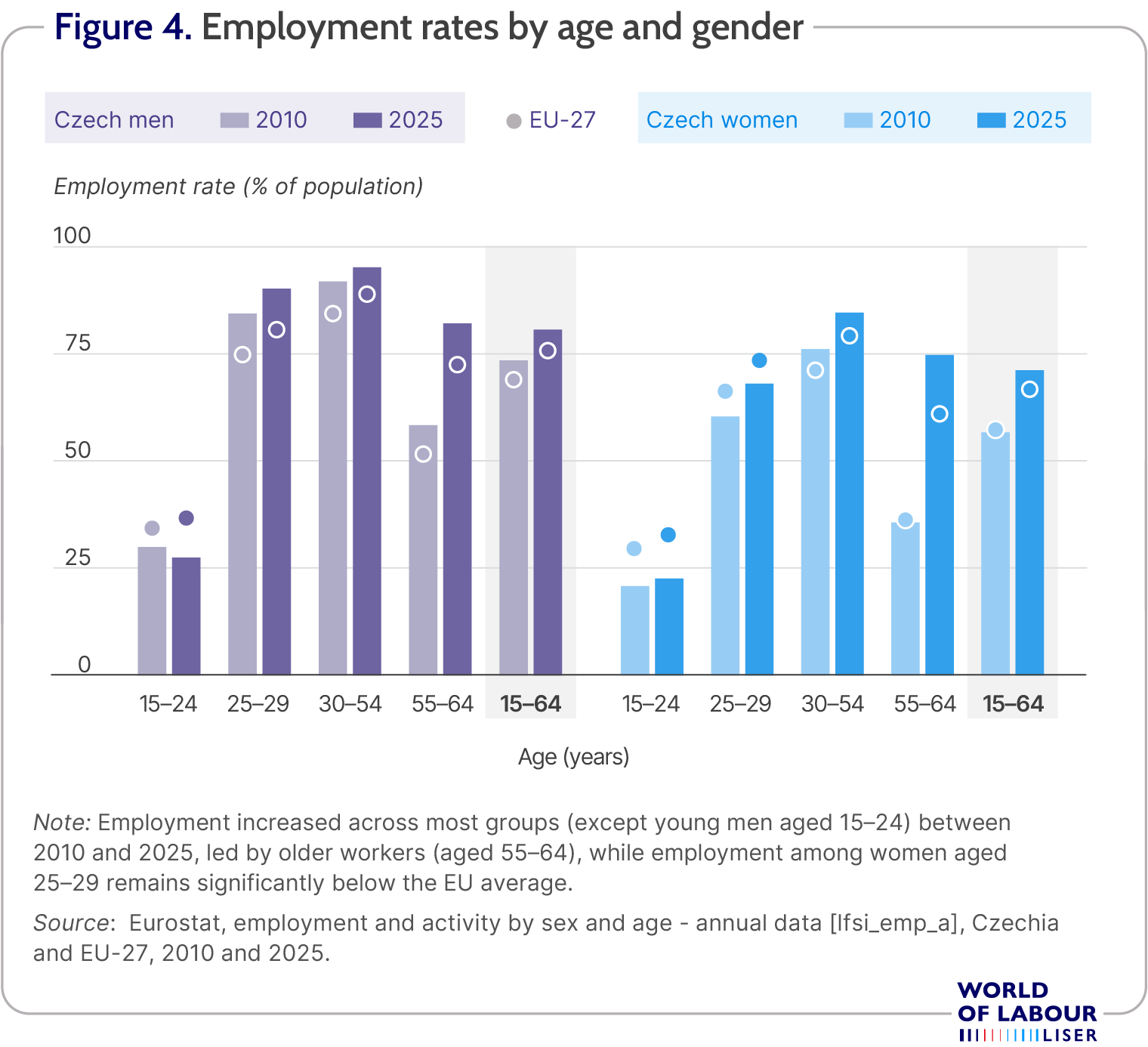 Over time, Czech employment increased across all demographic groups, with the exception of very young men (Figure 4). In terms of EU comparison, employment rates in 2025 exceeded the EU average in all age-gender groups, except for young individuals (aged 15–24) and women of childbearing age (aged 25–29). The youth employment rate below the EU average, however, also reflects the institutional differences in education systems, as a higher share of individuals aged 15-24 are enrolled in education in Czechia than in the EU. The NEET (not in employment, education or training) rate in this population group was only 8 % in 2025, less than the EU average.
Low employment among women with young children
Figure 4 also reveals the key drivers of the current gender employment gap. While gender differences in employment among older individuals have substantially narrowed, employment rates among younger women, especially those of childbearing age, remain much lower than those of men and the EU average. The low labour market attachment of women in this group is mostly a result of the Czech family policy, in particular of the parental leave legislation. With a four-year paid parental leave scheme (in effect from 1995 to 2024) used almost exclusively by women, the Czech Republic belonged to the countries with the lowest employment rates among mothers with children aged 0–3. Although parental leave policy has undergone substantial changes over the past two decades, allowing women to opt for shorter paid leave durations since 2008, long career interruptions related to childbirth and the resulting low employment rates among mothers with young children continue to represent a serious problem in the Czech labour market and contribute to the persistence of the observed gender disparities.
The extent of family leave-taking by women is illustrated in Figure 5, which presents employment rates of parents with children of different ages in 2025. The employment rate of mothers with the youngest child below the age of six in the Czech Republic is only 50%, compared with the 70% EU average for women and with the substantially higher employment rates of Czech men and the EU average for men. The figure also shows a substantial “motherhood penalty”—that is, the gap between the employment rate of mothers with young children and of other women—among women with children below the age of six. The employment rates among mothers with older children as well as other women are well above the EU average which is consistent with the traditionally high labour force participation of women in the Czech Republic, partly inherited from the Communist era. As a result, the motherhood penalty in Czechia is among the largest in the EU [7]. A large body of research has highlighted the underutilization of this important segment of the Czech female workforce, as well as the negative impact of long career interruptions following childbirth on mothers’ labour market attachment and on children’s long-term outcomes [7], [8]. Long parental leave contributes to gender pay gaps not only due to its negative impact on mothers’ employment but also through occupational reallocation, as mothers returning to the labour market after the childbirth are more likely to move to jobs with lower earnings and fewer promotion opportunities. Shorter leaves result in higher-skilled and better-paying post-leave jobs [9].
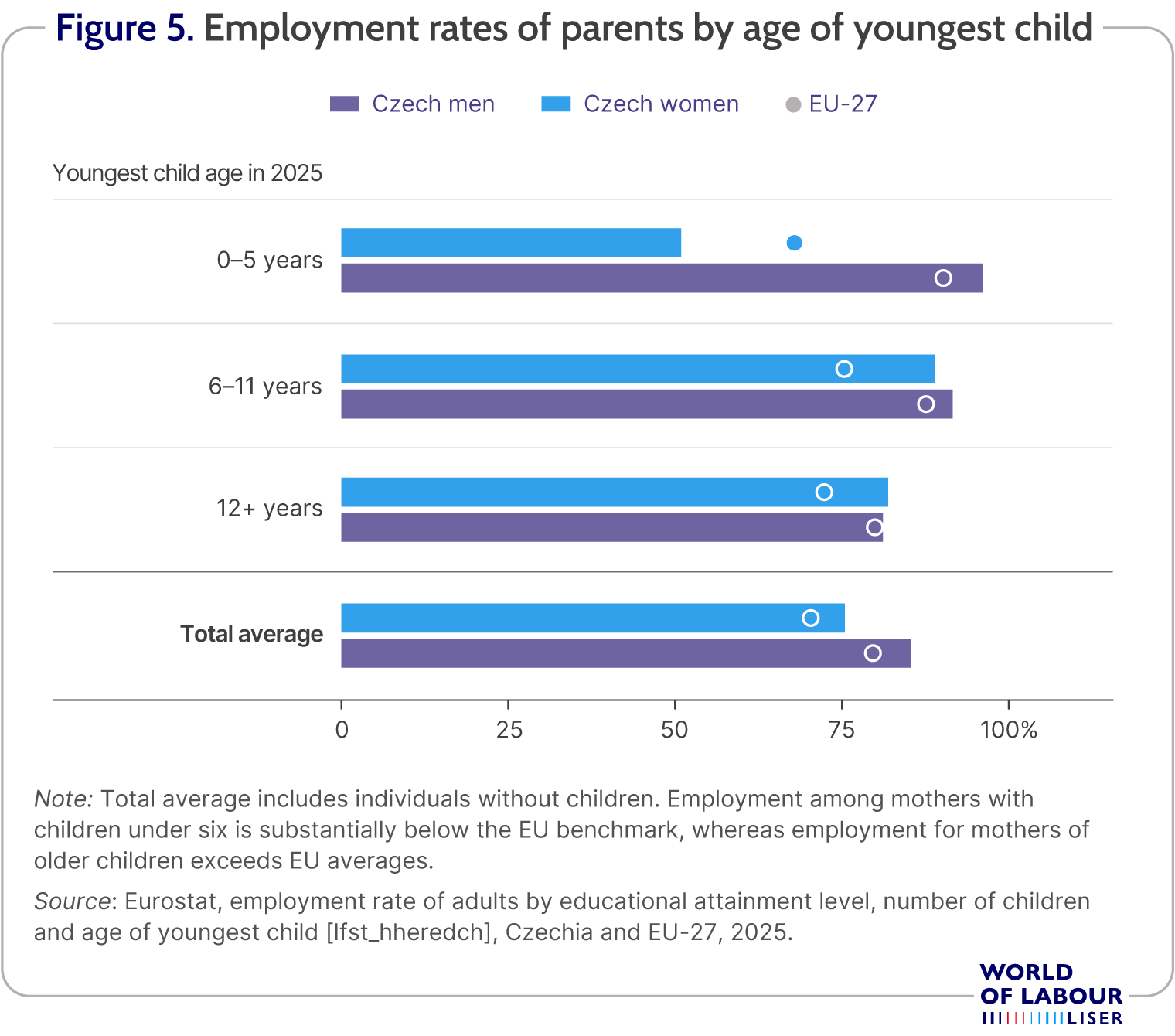 Although parental leave legislation has undergone substantial changes since 2000, family leave policy is not the only factor affecting mothers’ return to the labour market after childbirth. Limited availability of affordable, high-quality institutional childcare, especially for children below the age of three, the very limited use of flexible forms of work and the persistence of traditional gender norms, reflected in the low participation of fathers in parental leave-taking, contribute to a large share of women remaining outside the labour market for several years after childbirth, including those with tertiary education. Such prolonged absences negatively affect women’s human capital, skills, and productivity, with serious consequences for career progression and the persistence of gender pay gaps. However, they also represent a substantial loss for the whole economy. Removing barriers to employment after childbirth could potentially increase public budget revenues by approximately CZK 10 billion annually, based on the expressed preferences to work in a survey of mothers of young children [10]. Long career interruptions of women after childbirth therefore remain one of the most serious challenges of the Czech labour market.
Job quality
A defining feature of working conditions in Czechia is the unusually large share of self-employed workers, known as OSVČ. They account for almost 22% of all workers in 2024, which is the fourth-highest share of self-employed workers in the EU and the highest share among industrial EU economies. Self-employment in Czechia is widespread even in skilled, knowledge-intensive sectors. In IT, for example, the self-employment rate is twice the EU average [11]. Working as an OSVČ offers not only greater flexibility but also financial advantages, partly due to generous flat-rate tax schemes. However, the widespread use of self-employment in Czechia also creates structural problems. The most important is the prevalence of disguised self-employment, the case when workers formally operate as self-employed but in practice work like regular employees, often without standard labour protections. Up to 175,000 full-time workers are estimated to work under such an arrangement [12]. This form of self-employment can become precarious, with higher income insecurity, fewer employment benefits and a weaker bargaining position. It can also distort the broader labour market by weakening wage growth, keeping some workers in less productive roles and reducing firms’ incentives to invest in employee training [11].
Unlike in other EU countries, temporary contracts are not a major problem in the Czech labour market, as they are relatively uncommon by European standards. In 2024, temporary employees accounted for only around 5-6% of employees, well below the EU average of around 10-11%. The relatively high incidence of self-employment, including disguised self-employment, suggests that this form of work may serve as a substitute for temporary contracts. It is likely, that self-employment is also used as an alternative to other flexible work arrangements, including part-time jobs, whose limited availability remains a constraint, particularly for women with young children.
Wage development
Wage setting mechanisms in Czechia are mostly decentralized, operating at the firm level. In contrast with many Western European countries, the role of collective bargaining is limited. After the end of Communism in 1989, Czechia did not adopt a strong coordinated industry-level bargaining system similar to those in Austria, France, Italy or Sweden. Instead, the old state-planned system was replaced with a market economy in which wage setting became mostly based on individual agreements. The system still remains the same today, with the trade union density of only 9.4% (compared to 14.1% in Germany or 20.2% in Austria) and the adjusted bargaining coverage rate of 43.2% (49% in Germany, 98% in Austria) in 2024. The wage floor is provided by the statutory minimum wage. Until 2025, the minimum wage was determined on an ad hoc basis through government regulation, following consultations with employers’ associations and trade unions. Since 1 January 2025, Czechia has introduced a minimum-wage indexation scheme, under which the minimum wage is updated annually based on the forecast average gross monthly wage and a coefficient set by the government.
Figure 6 shows the development of the minimum wage relative to the mean and median wage since 2000. During the early 2000s, Czechia’s relative minimum wage was only slightly below the OECD average, especially in relation to the mean wage. The gap widened after the global financial crisis in 2008, as the Czech minimum wage stagnated relative to the increased wage growth while the OECD average continued to rise. Since around 2013, the Czech minimum wage has increased steadily as a share of both mean and median wage, reaching 39% and 45% respectively, in 2024. The gap between Czech and OECD levels has narrowed during recent years, but the relative minimum wage in Czechia still remains considerably lower, particularly when measured against the median wage.
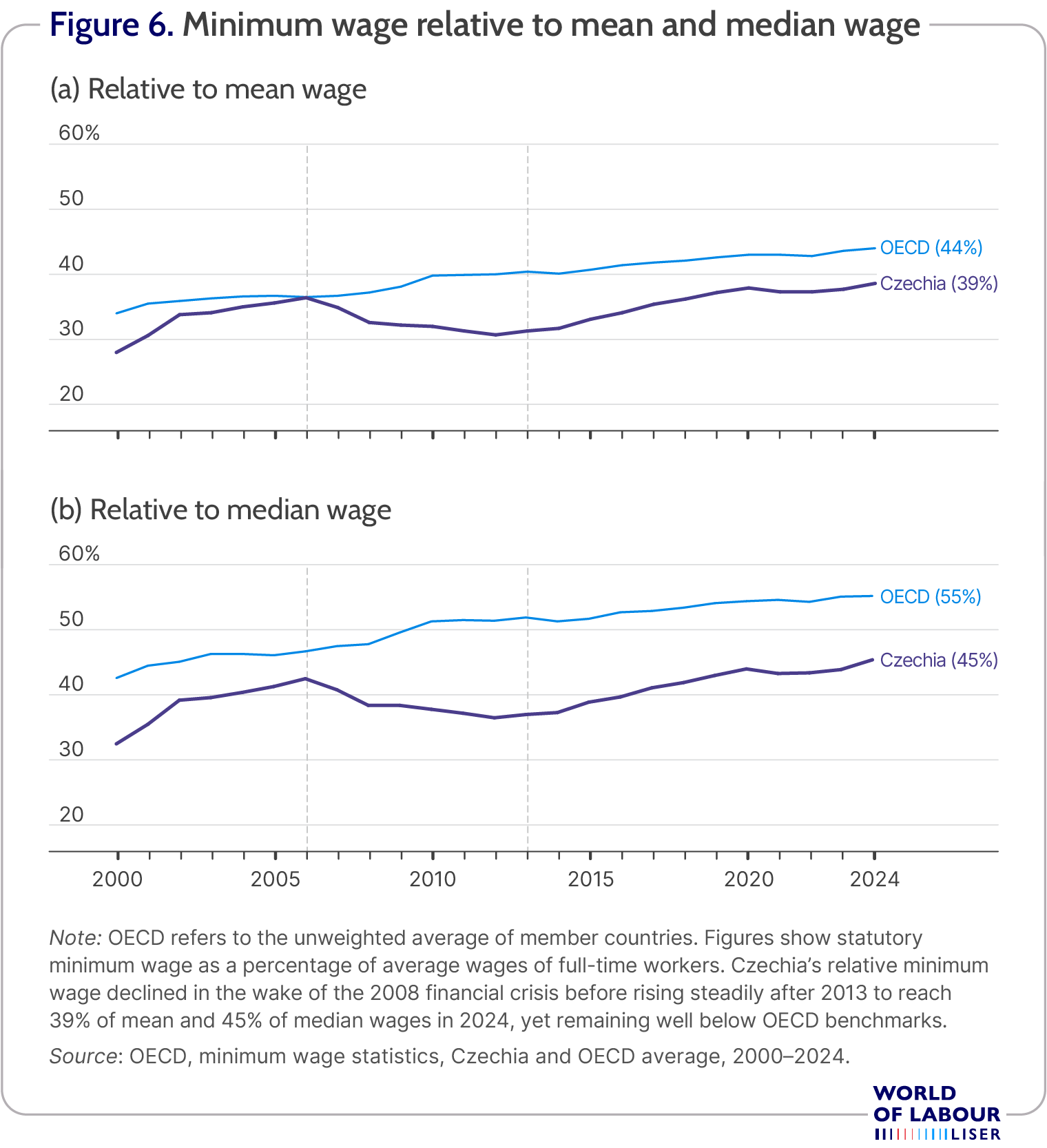 Figure 7 shows that real hourly wages of salaried employees broadly followed labour productivity over the past decades. Wages increased gradually in the 2000s, when productivity growth was relatively strong, weakened and slightly decreased after the global financial crisis, remaining broadly flat. From around 2014, faster wage increases coincided with stronger productivity growth, with the mean real wage peaking around 2020, before declining during the 2021–2023 inflation shock. Public-sector wages were less closely tied to productivity and more volatile, reflecting the stronger role of budgetary and policy decisions.
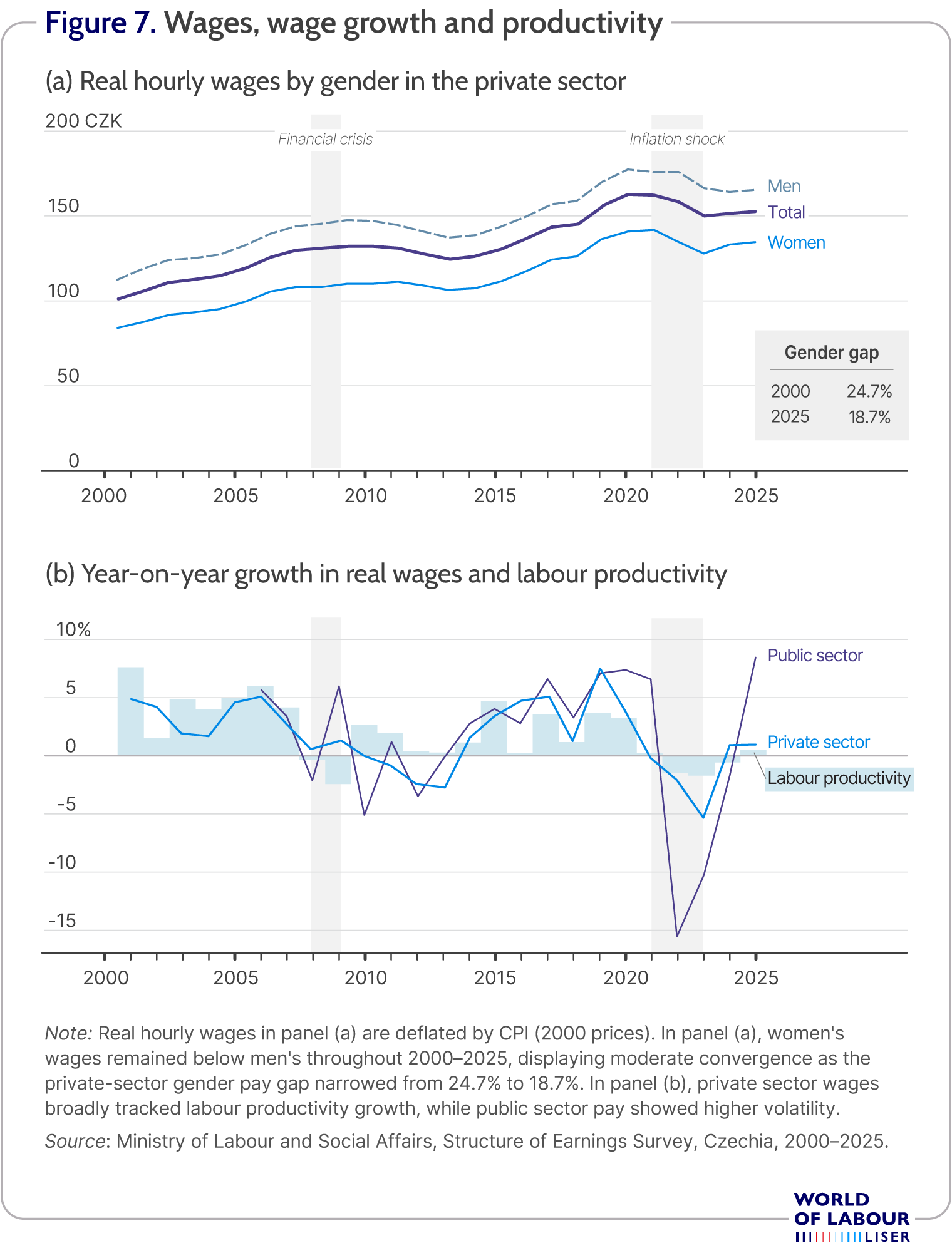 Women’s wages remained well below that of men throughout the period showing only a very moderate convergence. Given the increase in earnings levels, the gender pay gap as a share of women’s wage somewhat decreased. The gender pay gap among private-sector employees has narrowed from 24.7% to 18.7% between 2000 and 2025. In the public sector, the gap also declined over time, reaching 13.6% in 2025. In the European context, Czechia continues to record a relatively high gender pay gap. In 2024, it was 18.5%, compared with the EU average of 11.1%.
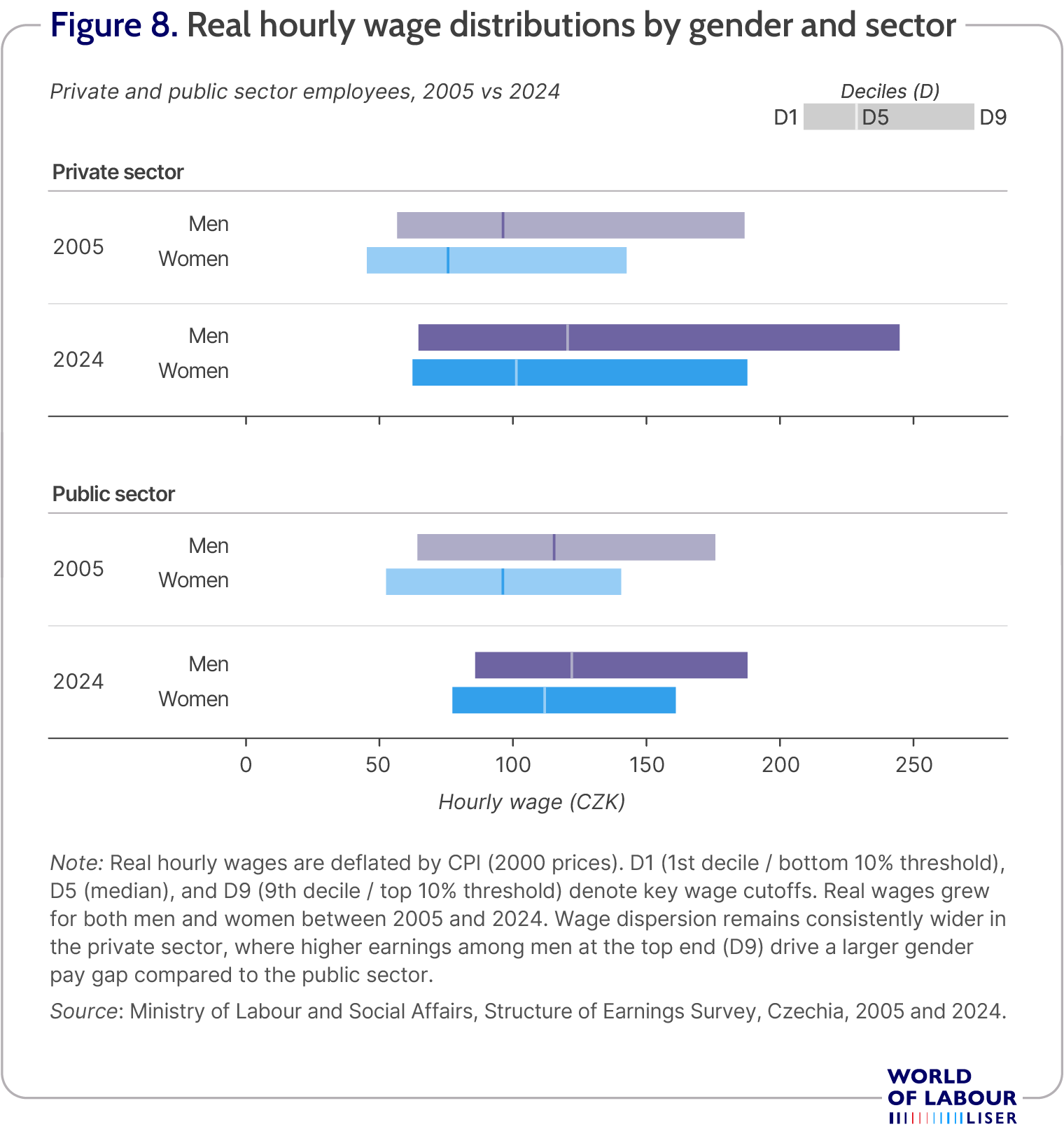
To better understand the structure behind the overall gender pay gap, Figure 8 presents the real hourly wages in 2005 and 2024 by gender and sector. While real hourly wages grew for everybody, men continued to earn more than women in both the private and public sectors. This pattern is visible not only in average wages, but also in the median and the upper part of the wage distribution. The gender gap is especially pronounced at higher wage levels, suggesting that men remain more represented among top managerial positions. The most noticeable increase between 2005 and 2024 was that of the 9th decile wage levels among men in the private sector.
 Most employees work in the private-sector wage segment, which accounted for around 82% of employees in 2024. Public-sector employment is smaller, but it covers key services such as education, health care and public administration. Women are considerably more concentrated in these economic sectors, accounting for around 68% of public-sector salaried employees, compared with about 42% in the private-sector wage segment. A substantial share of female employment is thus concentrated in a sector where pay is set differently than in the rest of the economy. Public-sector pay is less directly driven by market conditions, firm performance and individual bargaining power than private-sector wages. Many public-sector salaries are affected by tariff-based salary scales linked to occupation, grade and seniority.
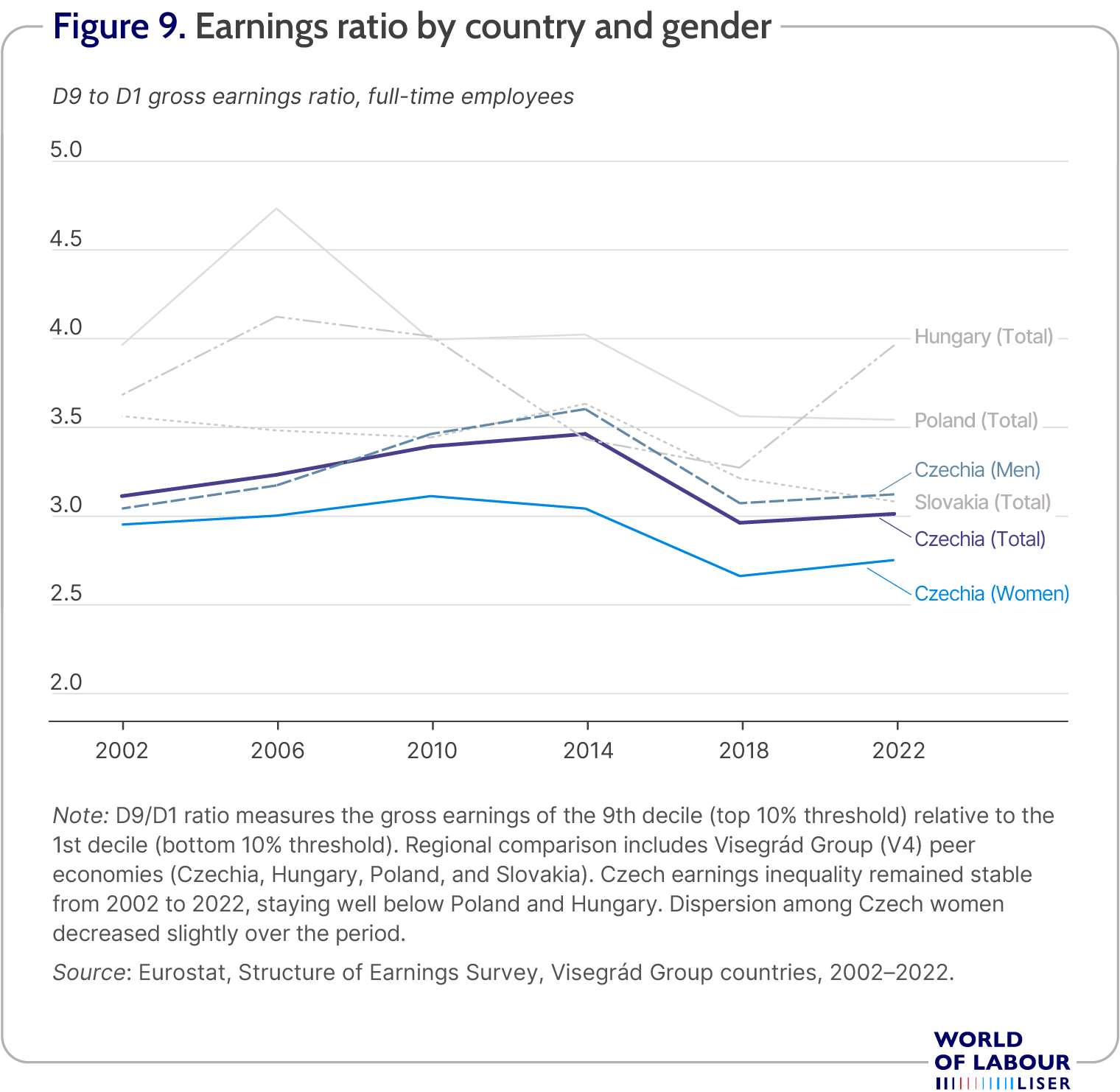
Overall, earnings inequality in Czechia has remained more or less constant since 2000 (Figure 9) . High earners at the 9th decile (D9) earned around three times as much as low earners at the 1st decile (D1) in 2002 and the same was true in 2022. Female earnings dispersion somewhat decreased during this period. In the context of the neighbouring countries, Czechia has, like Slovakia, relatively low earnings inequality, well below Poland and, especially, Hungary with a D9/D1 ratio of almost four.
 The gender pay gap remains the most prominent wage inequality challenge facing policymakers. Several factors contribute to its persistence, including gender discrimination, but the long career breaks after childbirth and the unequal division of childcare between parents discussed earlier remain the key drivers. While conservative gender norms are likely to change only gradually, the sharp world-wide increase in the availability of working from home induced by the pandemic may help shorten mothers' absences from the labour market after childbirth and preserve their career progress.
In Czechia, the share of employees working remotely at least part of the time almost doubled between the pre-pandemic period and 2023, exceeding 10% of all employees. While the increase was similar for women and men, as well as for parents and non-parents, it was largest among women with a child younger than two, suggesting that remote work may remove at least some barriers to employment and enable mothers to return to the labour market sooner after childbirth—by 2023, nearly one-third of these mothers worked remotely [13].
It remains unclear, however, how the expansion of working from home will affect wage structures and overall earnings inequality in the long run. As working from home is still widely regarded as a job amenity, it continues to be associated with a wage penalty. If mothers of young children have a stronger preference for working from home—and are therefore willing to accept lower wages in exchange for this flexibility—the expansion of remote work could ultimately widen gender earnings inequality in the Czech labour market.
The low skilled and the inequality across regions
The Czech Republic has one of the lowest shares of low-skilled individuals in the EU, with people with ISCED levels 0–2 (that is those with only up to lower secondary education according to the International Standard Classification of Education) accounting for about 7% of the population aged 25-75 and less than 5% of total employment in 2024. While their employment rate remains well below that of higher-skilled groups, it has increased over the past two decades from just above 40% to 60% in 2025, placing it slightly above the EU average. The share of low-skilled individuals, as well as their economic situation, varies substantially across Czech regions. In poorer regions, the proportion of low-skilled individuals is more than twice as high and is accompanied by significantly lower levels of economic activity [14].
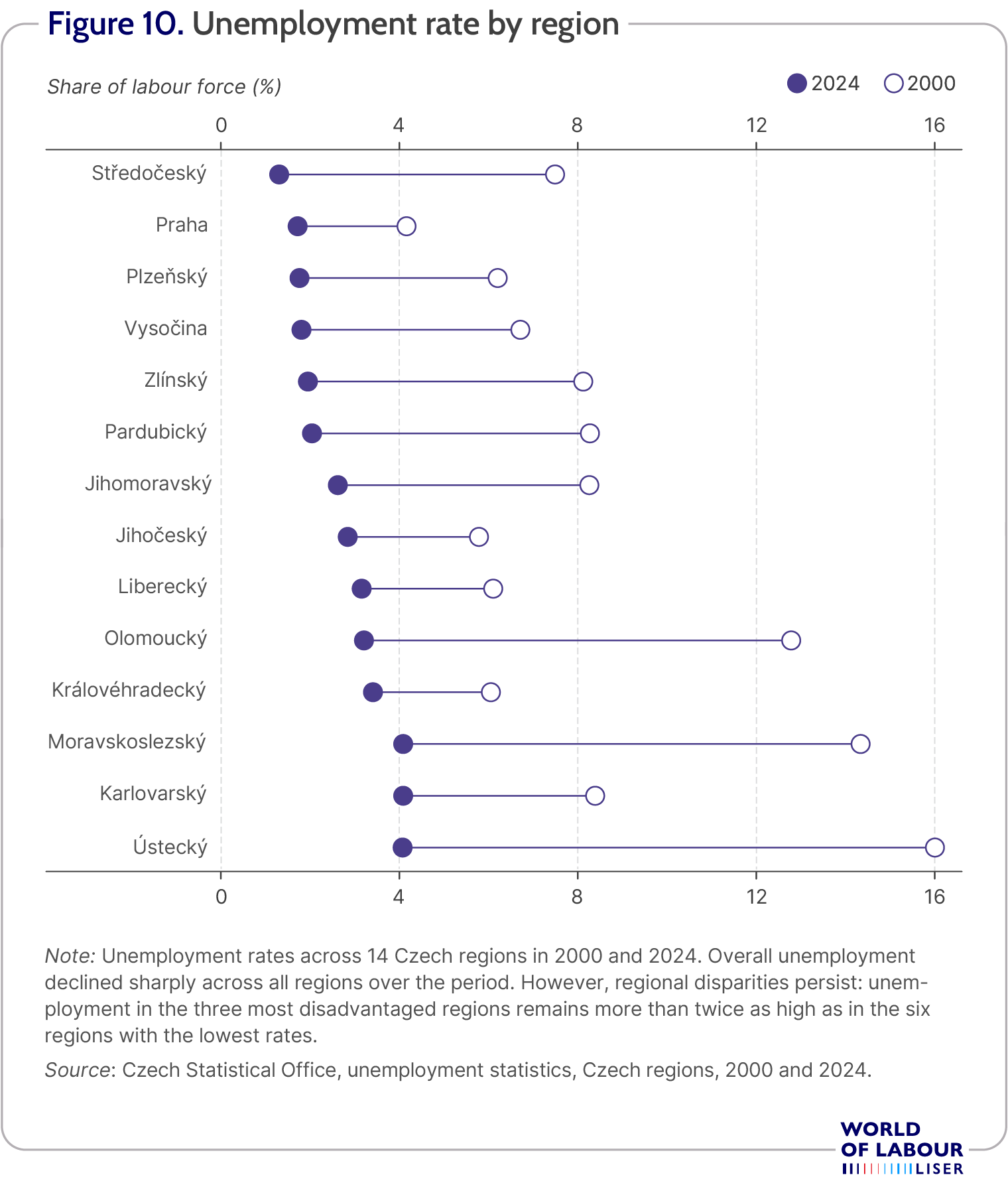
As a post-communist country, the Czech Republic remains highly geographically centralized, with a gradual population movement from less urbanized areas toward a small number of major cities, particularly Prague. This concentration of population and economic activity is closely linked to persistent regional labour market disparities. Although the substantial decline in unemployment between 2000 and 2024 helped narrow regional gaps in percentage-point terms, disparities remain sizable. As shown in Figure 10, unemployment rates in the three most disadvantaged regions in 2024 were still more than twice as high as those observed in the six regions with the lowest unemployment rates.
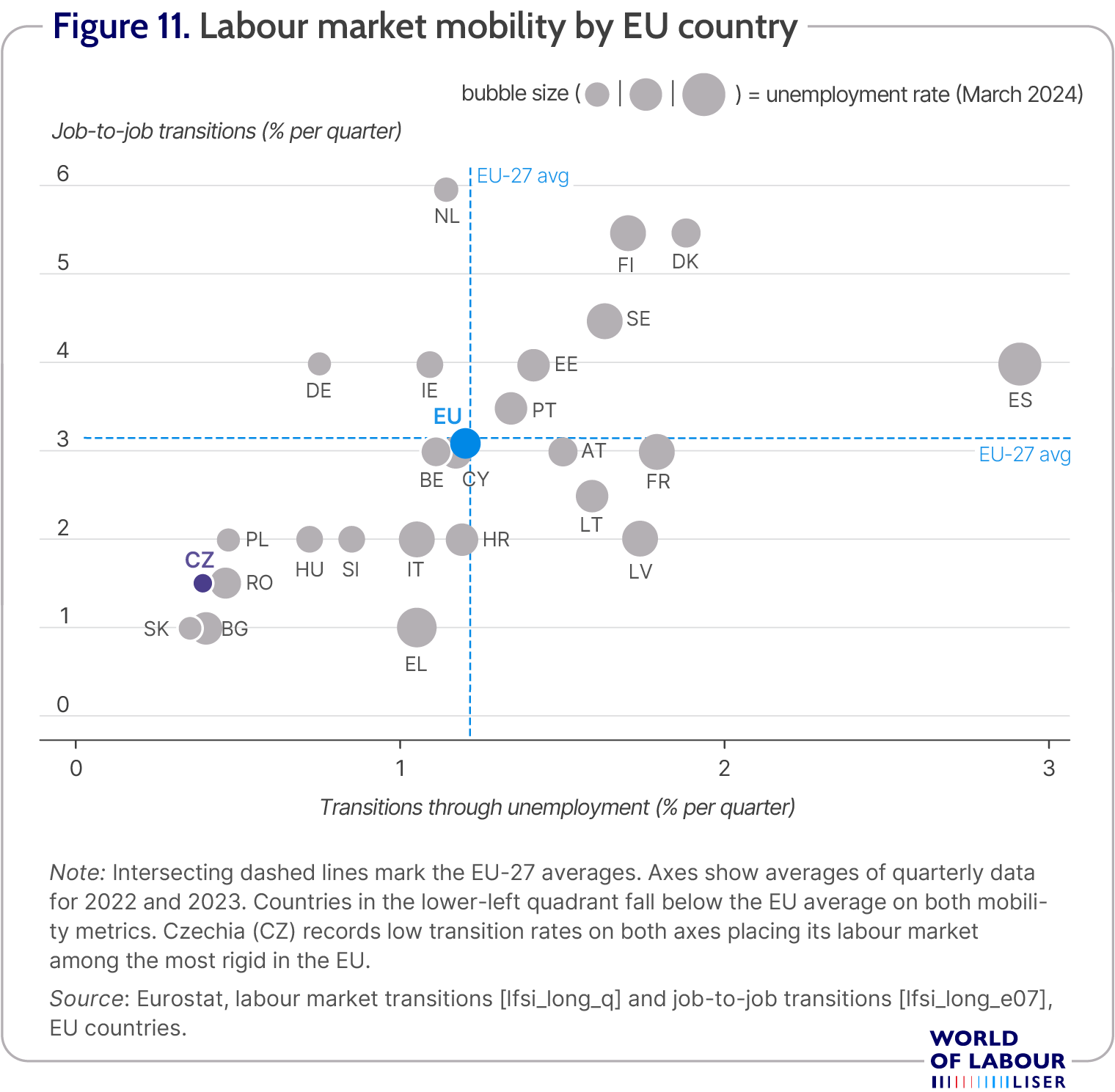
 An important structural problem of the Czech labour market is its rigidity. Workers in Czechia change jobs relatively infrequently by EU standards, both through direct job-to-job transitions and through unemployment (Figure 11). As a result, the Czech labour market is among the least dynamic in the EU. Low mobility may help sustain very low unemployment, but it also has economic costs. It weakens the ability of the economy to reallocate workers from less efficient firms, sectors and occupations towards more productive and expanding activities. This is particularly relevant for Czechia, a small, open and still strongly industrial economy facing the challenges of digitalisation, technological change and structural shifts in international demand. If workers remain in declining or low-productivity activities for too long, more productive firms may face labour shortages, while less productive firms survive for longer than they otherwise would. Over time, this can slow productivity growth and limit real wage growth. From a policy perspective, reducing labour market rigidity requires removing barriers and supporting mobility, not only stronger incentives to work. More effective retraining, career counselling and matching between workers and vacancies would help people move towards jobs with better prospects.
 Job-to-job mobility is also closely linked to regional mobility, where Czechia also performs poorly by European standards. Apart from Central Bohemia, where commuting is strongly shaped by daily flows into Prague, cross-regional commuting remains rare. In all other Czech NUTS 2 regions (that is mid-sized areas with between 800,000 and 3 million people defined by the European Nomenclature of Territorial Units for Statistics), at most 4.2% of employed people worked in another region, compared with the EU average of 6.4% in 2022. Policies that improve access to affordable housing, childcare and transport could make it easier for workers to move across firms, regions and occupations, and would therefore support a more adaptable labour market.
Limitations and gaps
The indicators presented in this article are based almost entirely on survey data. Some estimates for smaller population groups may therefore be imprecise due to relatively small sample sizes.
Because earnings data cover only employees, the inequality indicators capture dispersion in employee earnings rather than in the overall income distribution. They therefore exclude, for example, income from the disguised self-employment.
Improving the collection of administrative data, linking data across different administrative sources, and making these data available for analyses that support evidence-based policymaking–including systematic ex ante and ex post evaluations of labour-market policies–remain major challenges for Czech public policy.
Summary and policy advice
In 2024, the labour market in the Czech Republic remained very tight, with a national unemployment rate of 2.6%, one of the lowest in the EU, and employment rate of 82.3%, ranking among the highest in the EU. Real hourly wages have increased by 50% over the same period but the level is still well below the OECD average. Czech earnings inequality is moderate by regional standards and has remained broadly stable since 2000. The minimum wage indexation was finally introduced in 2025, but relative minimum wage remains below the OECD average. Gender unemployment and employment gaps have declined over the past two decades, but traditional gender norms continue to be fairly strong and the gender pay gap remains well above the EU average. Long career interruptions of women after childbirth contribute to the persistence of the observed gender labour market disparities.
The Czech economy remains strongly manufacturing-oriented, which has supported employment, exports and productivity growth for many years. However, this model may become more difficult to sustain as digitalisation, automation, AI implementation and the gradual shift towards knowledge-intensive activities change the structure of labour demand. These changes will require workers and firms to adapt more quickly than in the past. A key policy challenge is therefore to strengthen the adaptability of the labour force. While the share of tertiary-educated individuals increased in Czechia over the last 25 years, the growth was much smaller than in the rest of the EU, resulting in a widening the gap with the EU average. Increasing the workforce's human capital and developing more adaptable skills require reforms in education and training, with less emphasis on early and narrow preparation for specific occupations and greater emphasis on broader general skills, problem-solving and digital literacy. It also requires better coordination between schools, employers and adult training systems, so that workers can update their skills throughout their careers.
Population aging will also have a major impact on the Czech labour market. The expected decline of the share of working-age population, together with the rising average age of workers, will increase the need to help older people remain economically active for longer. This will require stronger active labour market policies, especially retraining, career counselling and targeted support for workers whose skills become outdated or whose health limits their ability to remain in physically demanding jobs. At the same time, firms will need to adapt workplaces, working conditions and training opportunities to older workers. Without an adequate policy response, Czechia could face growing labour shortages, higher fiscal pressures and widening income inequalities in the population.
A stronger policy response should focus on five main areas: In the long run, Czechia should modernise education and training by reducing early and narrow specialisation and strengthening general skills, digital literacy, problem-solving and lifelong learning. In the short run, the policy should focus on the specific underutilized or excluded groups in the populations: Labour market participation among mothers with young children should be increased by improving access to childcare, supporting flexible work arrangements and enhancing incentives for more equal gender division of childcare. Active labour market policies should be expanded through more effective retraining programmes and targeted support for workers at risk, especially older and low-skilled workers. The policy should also address undeclared and disguised work by reducing incentives for disguised self-employment and ensuring that workers in dependent forms of work have access to basic labour protections. Removing barriers and providing incentives for higher job-to-job mobility would increase labour market flexibility, reduce regional inequality and further enhance the resilience of the Czech labour market in the future.
Acknowledgments
The author thanks Štěpán Jurajda, Daniel Münich, an anonymous referee, and the World of Labour editors for helpful suggestions on earlier draft. This article was produced with the support of the project New Technologies and Changes in Education, Research and the Labour Market, reg. no. CZ.02.01.01/00/23_025/0008693, cofinanced by the EU. Main data sources are stated explicitly in the text. Sources of the supporting evidence such as supplementary numbers or statements are available from the authors upon request.
Competing interests
The World of Labour project is committed to the European Code of Conduct in Research Integrity. The authors declare to have observed the principles outlined in the code.
© Alena Bičáková and Jakub Grossmann
The rarity of 4-year paid parental leave and the subsequent changes since 2008
The duration of paid parental leave in the Czech Republic was set at four years in 1995 and its take-up among mothers was very high. In 2008, a more flexible scheme was introduced with the four-year leave as the longest alternative parents could choose. The maximum duration was later shortened to three years, effective for children born after December 31, 2023. The initial eligibility conditions, which prevented children from attending formal childcare and mothers from working while receiving the benefit, were also gradually relaxed. However, limits on monthly hours spent in formal childcare still apply to children below the age of two.


